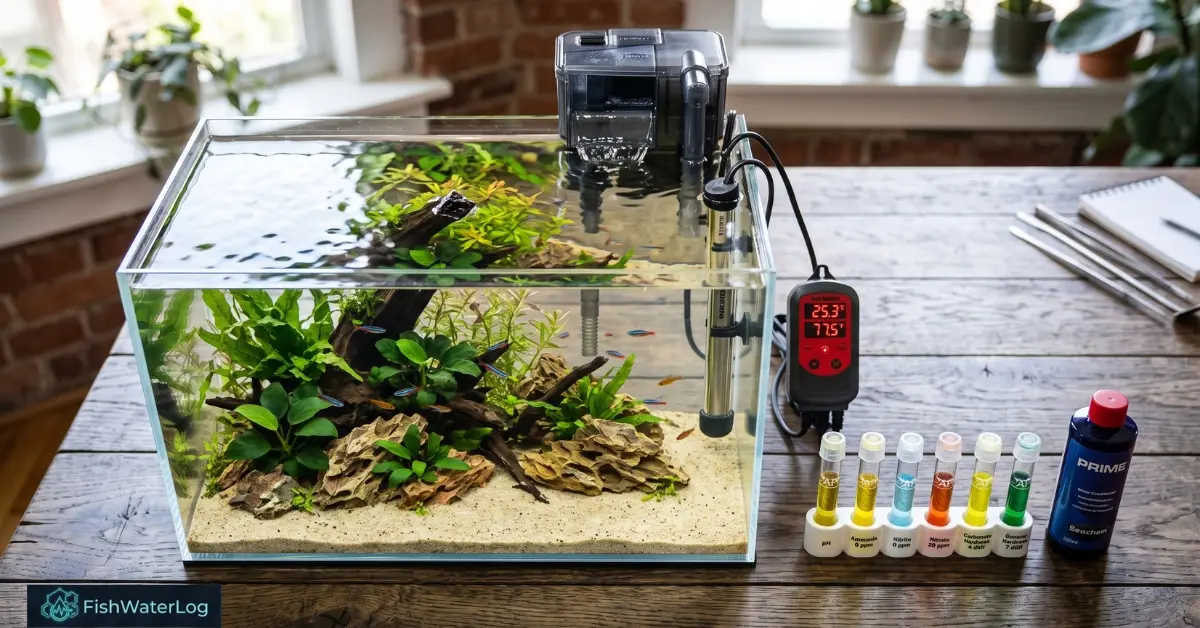
The successful transition from a casual aquatic observer to an advanced aquarist requires a fundamental paradigm shift. Rather than viewing an aquarium merely as a decorative receptacle holding water, the system must be approached as a highly controlled, enclosed aquatic life-support matrix. Sourcing reliable fish supplies goes far beyond aesthetic enhancements; it involves engineering an … Read more
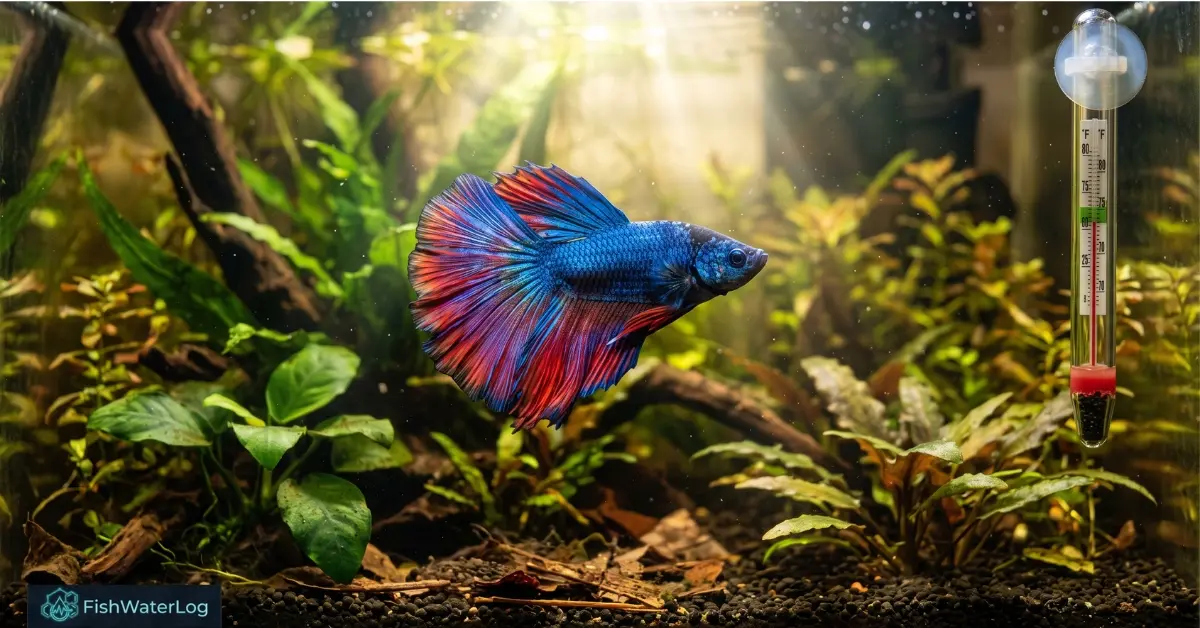
The global ornamental fish trade has long perpetuated a widespread biological fallacy: the assertion that Betta splendens—commonly known as the Siamese fighting fish—can thrive in unheated, unfiltered novelty bowls. This pervasive industry misinformation fundamentally misunderstands the evolutionary history, genetic adaptations, and precise physiological requirements of the species. To establish the ideal betta fish water parameters … Read more
The deliberate integration of botanical tannins in freshwater aquarium environments represents a sophisticated intersection of aquatic biochemistry, microbial ecology, and zoological physiology. Historically, the hobby viewed water tinting as a mere cosmetic byproduct of decorative driftwood. However, contemporary limnology reveals that mastering protocols like extracting humic and fulvic acids for aquariums fundamentally alters the structural … Read more
A freshwater aquarium ecosystem is a closed, highly dynamic aquatic environment that functions as a miniature replica of natural lakes and river systems. While aquarists often view fish, live plants, and water quality as isolated components, maintaining a thriving ecosystem in tank setups requires a deep understanding of biological connectivity, nutrient cycling, and microbial ecology. … Read more
Understanding the biochemical mechanics of closed aquatic life support systems is vital for long-term ecological stability. A silent nitrogen cycle crash occurs when nitrifying autotrophic bacterial colonies—primarily Nitrosomonas and Nitrospira—experience catastrophic population drops. This failure abruptly halts biological filtration, resulting in the rapid accumulation of toxic un-ionized ammonia (NH₃) and nitrite (NO₂⁻). To maintain safe … Read more
Understanding the freshwater aquarium nitrogen cycle is the most critical foundation for establishing a stable, biologically secure closed aquatic ecosystem. Whether setting up a new setup or managing an established biofilter, optimizing the nitrogen cycle in a fish tank relies on an intricate, multi-stage microbial process that converts highly toxic metabolic waste products specifically un-ionized … Read more