Hafiz Nauman Baig is a doctoral researcher in Zoology (Fisheries & Aquaculture) at Quaid-i-Azam University, Islamabad, specializing in aquatic ecosystem chemistry and telemetry. Contact: nbaig.32411003@zoo.qau.edu.pk.
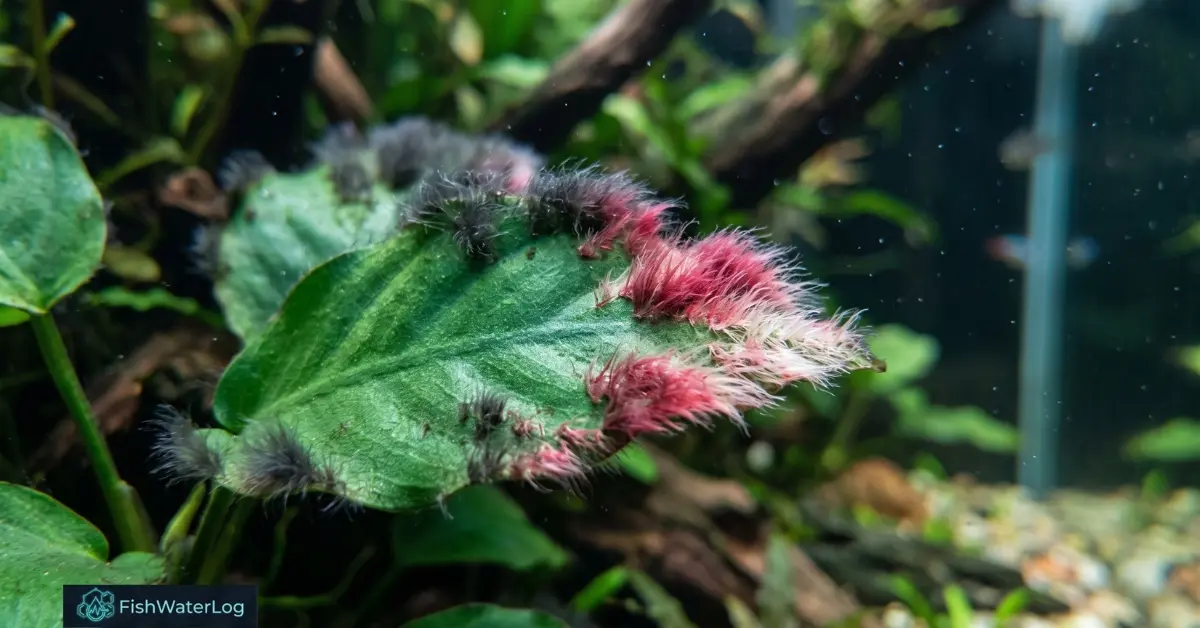
Executing an effective black beard algae spot treatment becomes essential the moment stubborn red brush algae (Audouinella) begins colonizing slow-growing foliage, driftwood, and filter outflows. Planted aquarium enthusiasts frequently search for how to get rid of black beard algae with liquid carbon without destabilizing delicate water parameters or harming sensitive tank inhabitants. Unlike common green … Read more
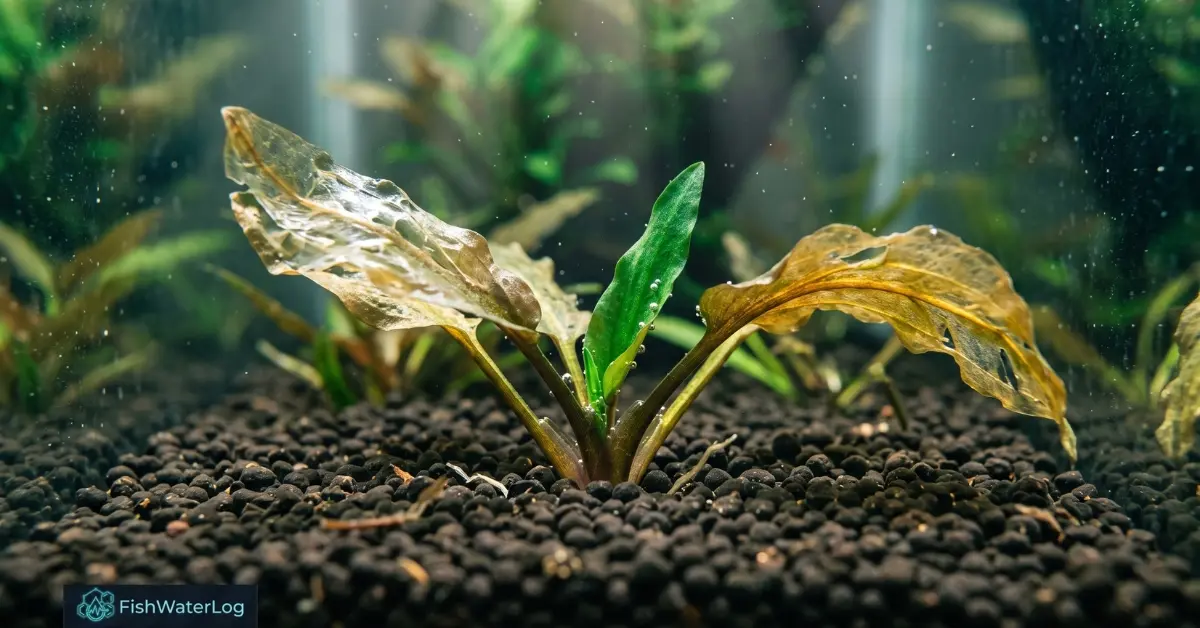
Introducing fresh botanical specimens into a newly scaped tank represents a foundational milestone in aquatic husbandry, yet the rapid deterioration of vibrant foliage into translucent, gelatinous detritus within 48 to 96 hours frequently alarms practitioners. When observing sudden foliar collapse, aquarists invariably ask why are new aquarium plants melting and dying despite careful planting, high-grade … Read more
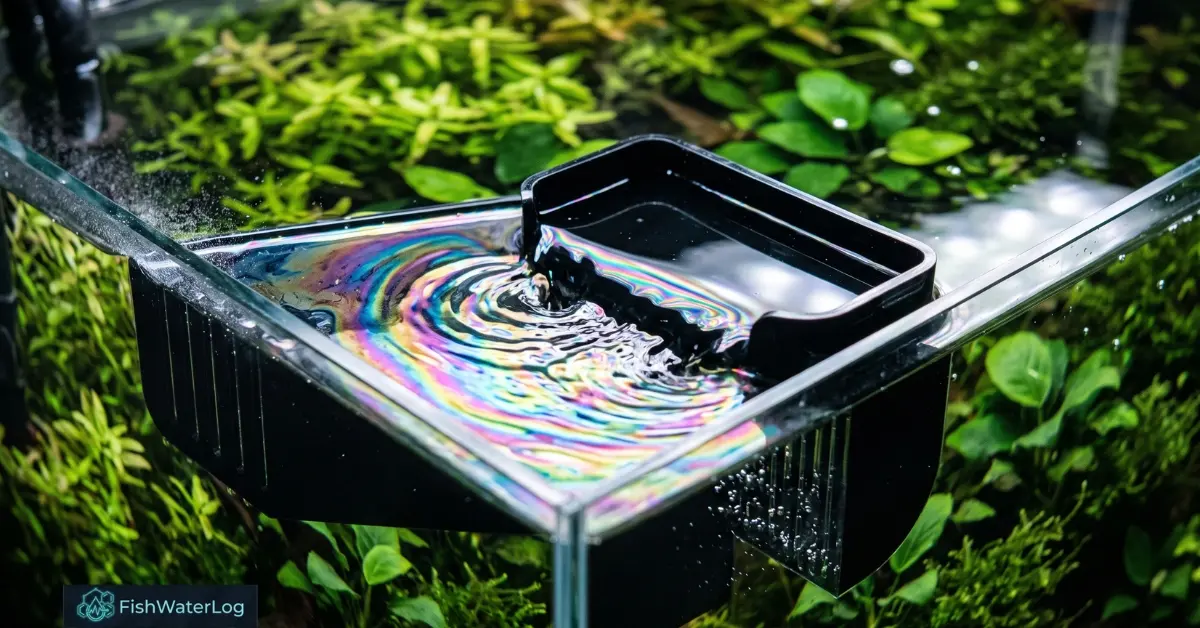
The persistent accumulation of a shimmering, oily layer at the air-water interface is one of the most pervasive challenges encountered in closed aquatic environments. While frequently dismissed as a minor aesthetic issue, this bio-membrane represents a severe physiological barrier that compromises both physical water chemistry and biological stability. Understanding why is there oily film on … Read more
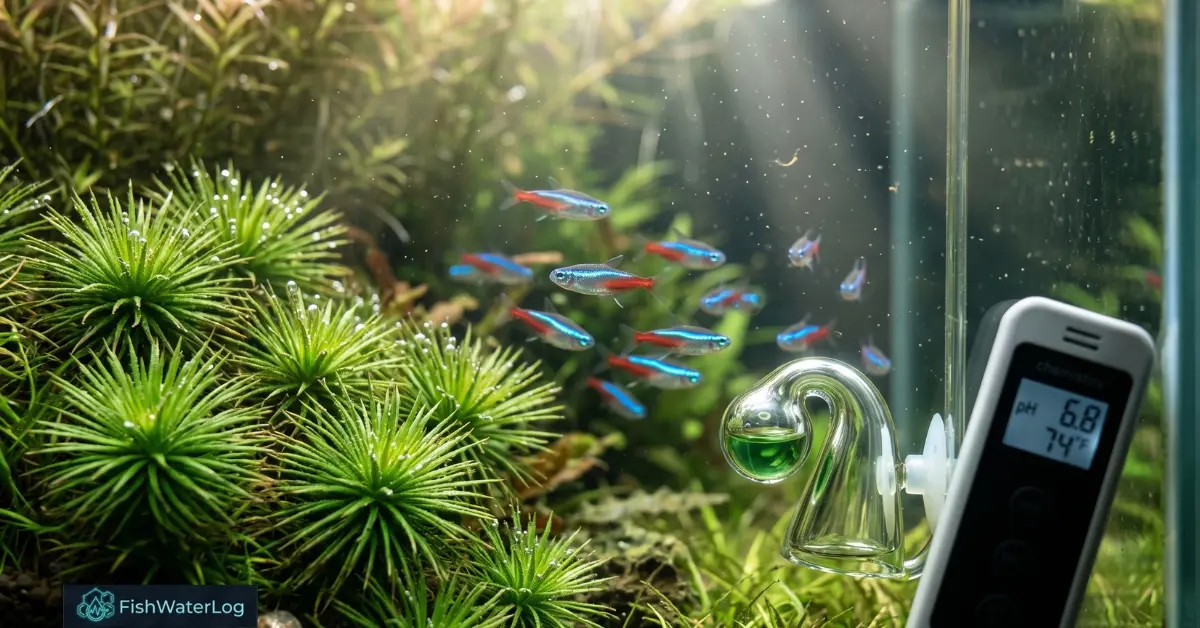
Maintaining long-term biochemical stability in an enclosed aquatic environment requires a working command of inorganic carbon chemistry. Carbonate hardness (KH)—often termed total alkalinity—quantifies the concentration of dissolved carbonate (CO32-) and bicarbonate (HCO3–) anions present in the water column. These anions act as an active chemical buffer, continuously neutralizing endogenous organic acids generated by metabolic waste … Read more
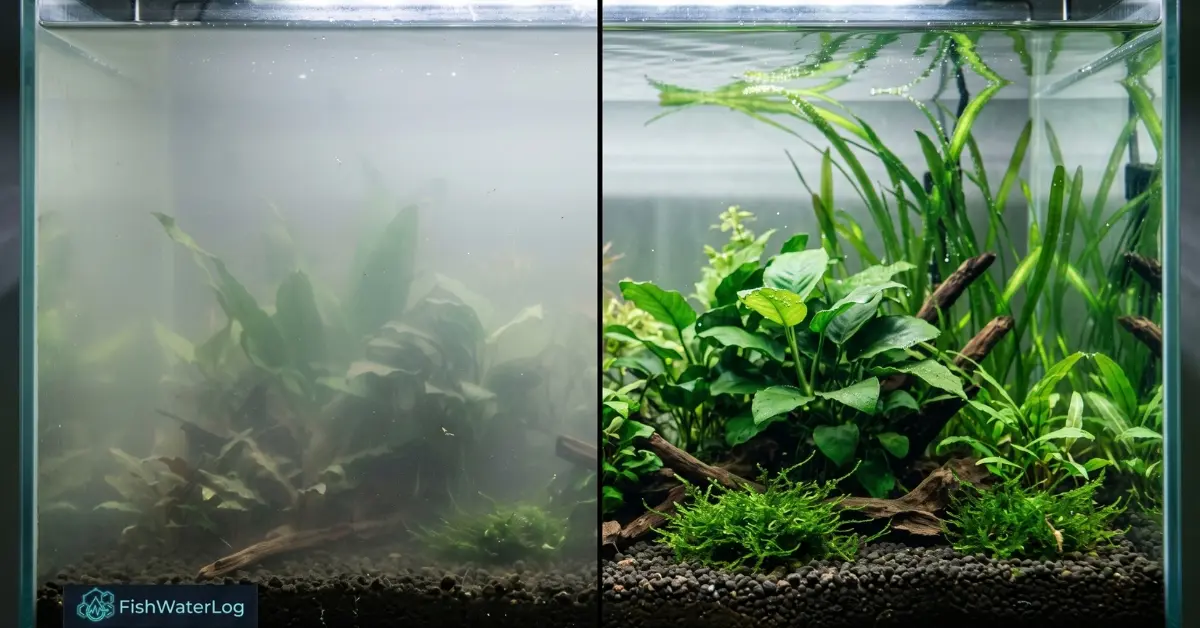
The sudden appearance of milky, hazy, or aquarium water cloudy white in an aquatic enclosure is a universally recognized indicator of a profound biological shift within the system’s microbiome. Unlike green water, which is indicative of free-floating phytoplankton and algal blooms, or brown water, which results from the leaching of organic tannins from driftwood and … Read more
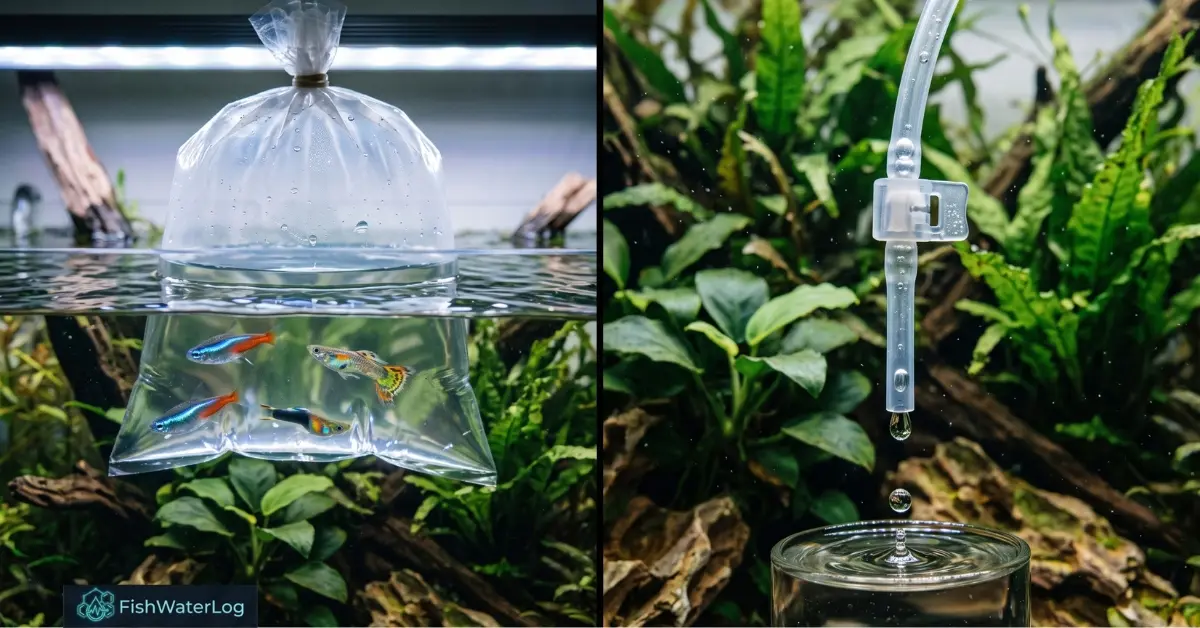
The introduction of newly acquired aquatic livestock into a localized aquarium system represents the single most dangerous physiological event in an aquatic organism’s lifecycle. Mortality rates during this critical transitional window are predominantly driven by severe physicochemical divergences between bagged shipping water and the destination tank. For decades, aquaculturists, aquatic veterinarians, and hobbyists have debated … Read more
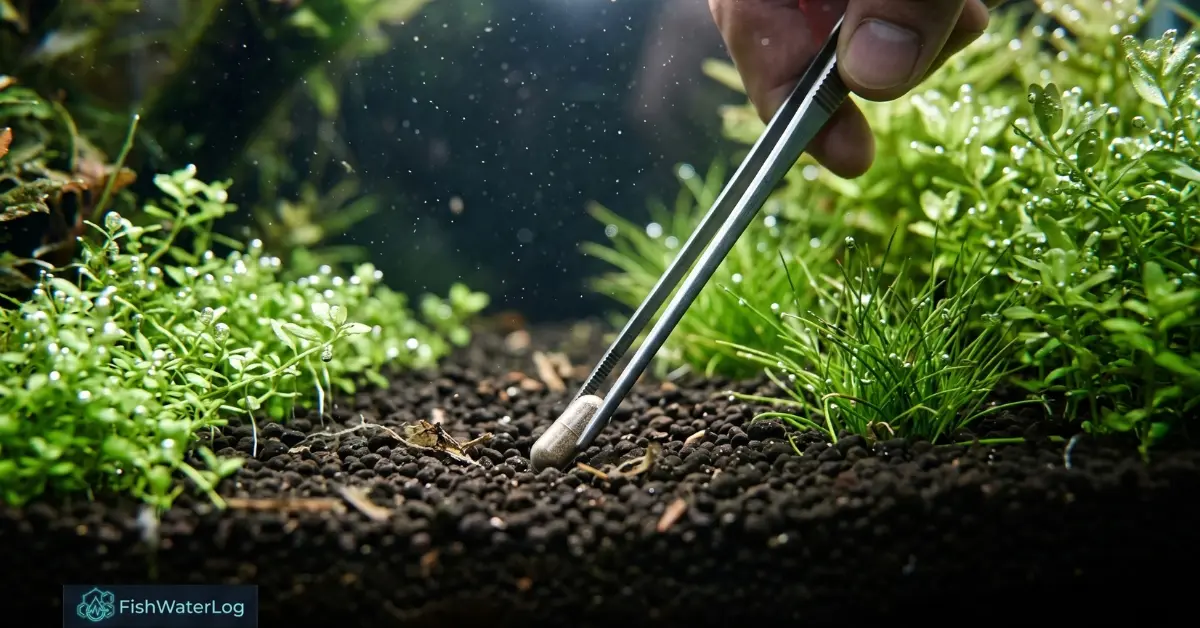
The modern freshwater planted aquarium operates as a highly sophisticated, closed biogeochemical ecosystem reliant on the perpetual exchange of energy, dissolved gases, and bioavailable macronutrients. At the foundation of this aquatic environment lies the substrate bed. Unlike terrestrial agriculture, where soils are tilled, aerated, and amended with organic matter, an aquatic substrate functions under continuous … Read more
The practice of maintaining thriving aquatic life within closed artificial ecosystems necessitates a firm grasp of teleost physiology, biofiltration kinetics, and nutritional biochemistry. Among the most debated and frequently misunderstood aspects of modern fishkeeping is the optimal frequency, volume, and timing of daily feeding. In natural aquatic habitats, food scarcity serves as a primary evolutionary … Read more
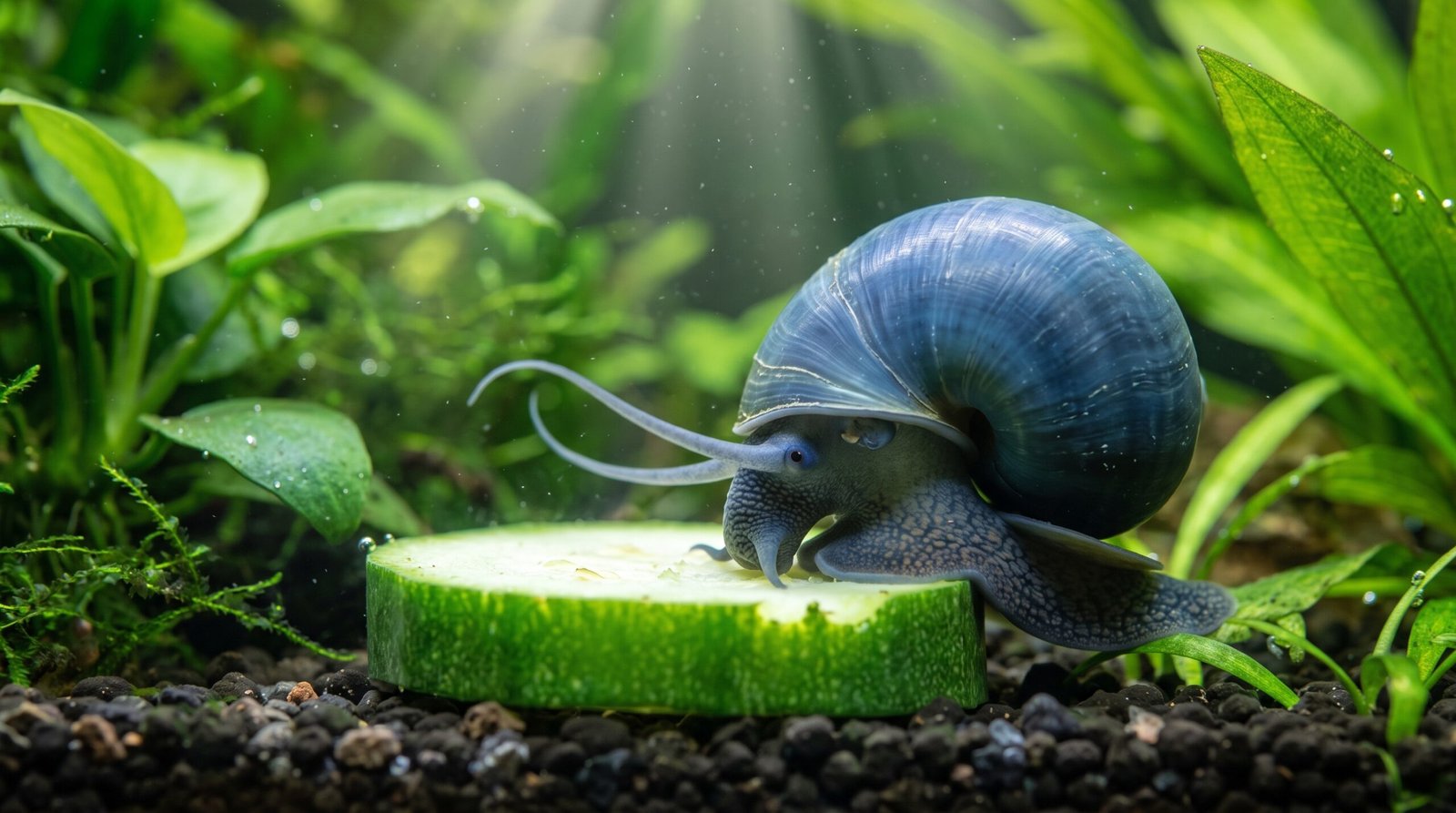
Prized for their striking selectively bred colors and active foraging habits, mystery snails (Pomacea diffusa) have established themselves as one of the most functional and engaging invertebrates in the planted aquarium hobby. Far from invasive pests, these peaceful gastropods serve as an indispensable biological cleanup crew, scouring substrate, glass, and hardscape for decaying plant matter, … Read more
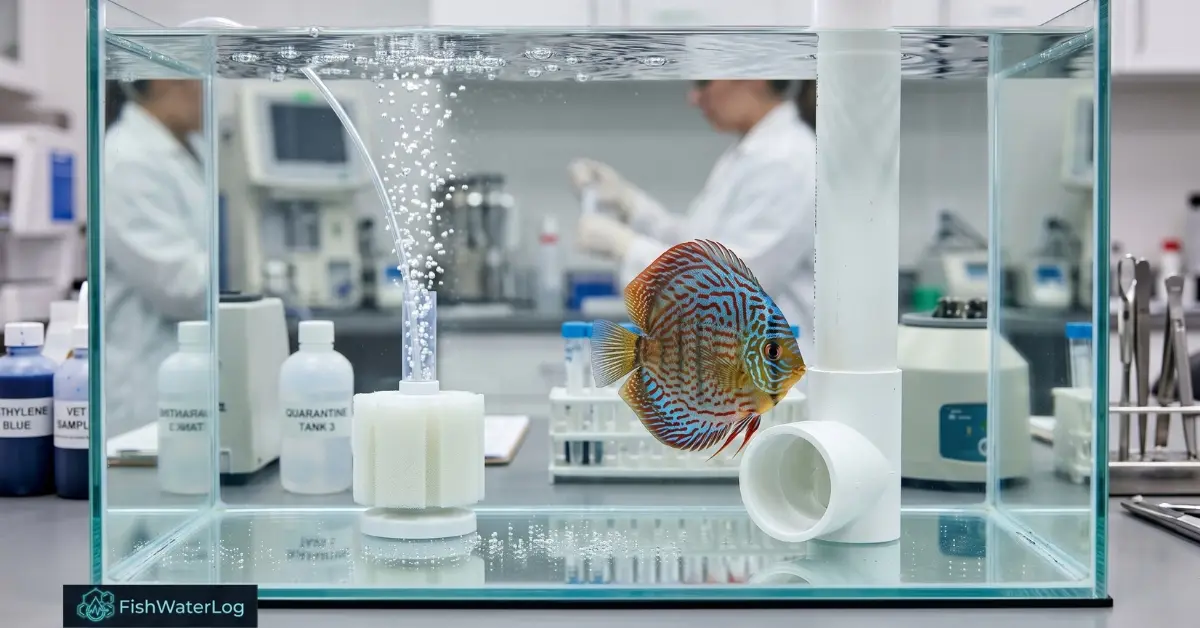
Setting up a dedicated fish quarantine tank is the single most critical biosecurity measure an aquarist can take to protect an established community aquarium. Introducing unquarantined livestock directly into a display tank frequently brings in virulent pathogens—ranging from stubborn protozoans like Ichthyophthirius multifiliis to devastating viral and bacterial infections—that can decimate an entire biological system … Read more