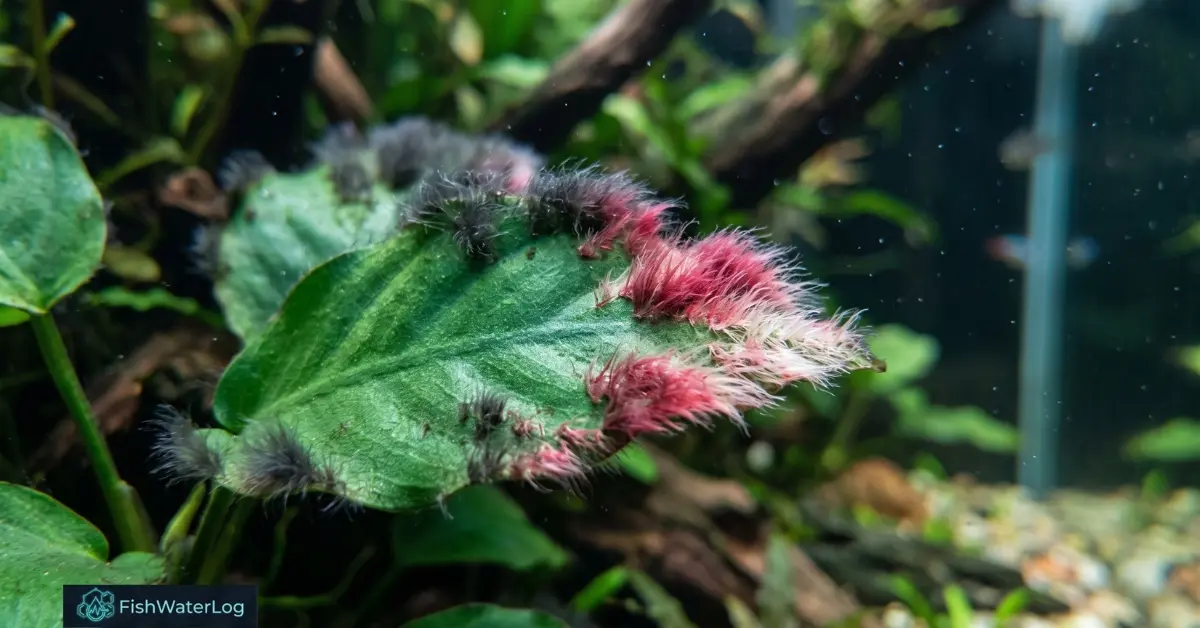
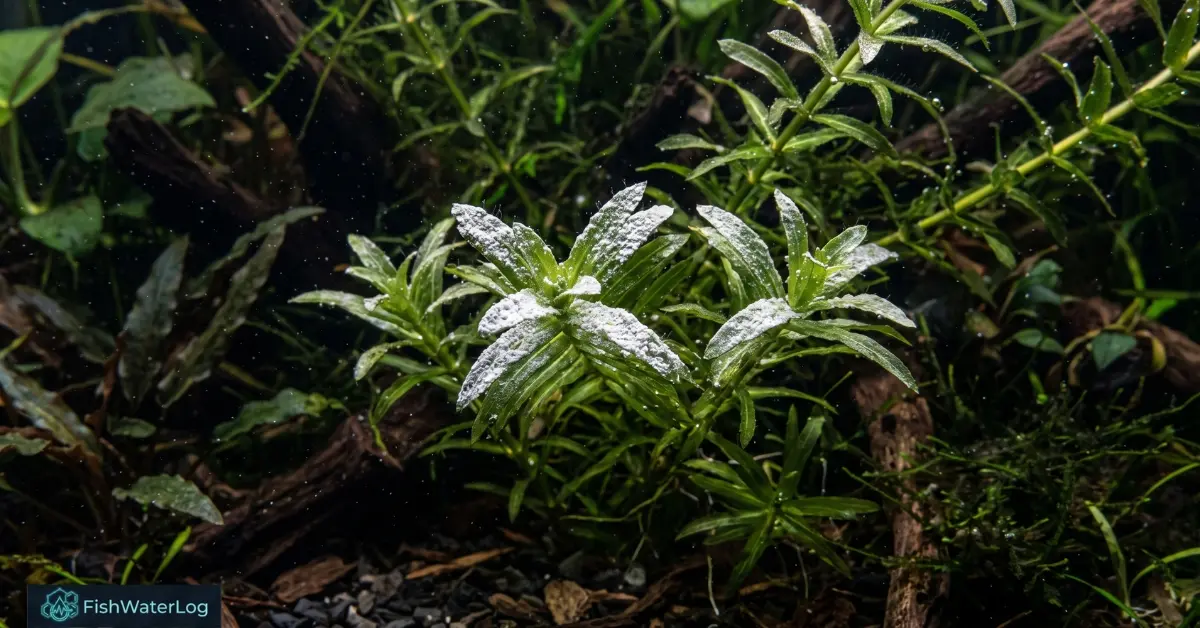
Executing an effective black beard algae spot treatment becomes essential the moment stubborn red brush algae (Audouinella) begins colonizing slow-growing foliage, driftwood, and filter outflows. Planted aquarium enthusiasts frequently search for how to get rid of black beard algae with liquid carbon without destabilizing delicate water parameters or harming sensitive tank inhabitants. Unlike common green … Read more
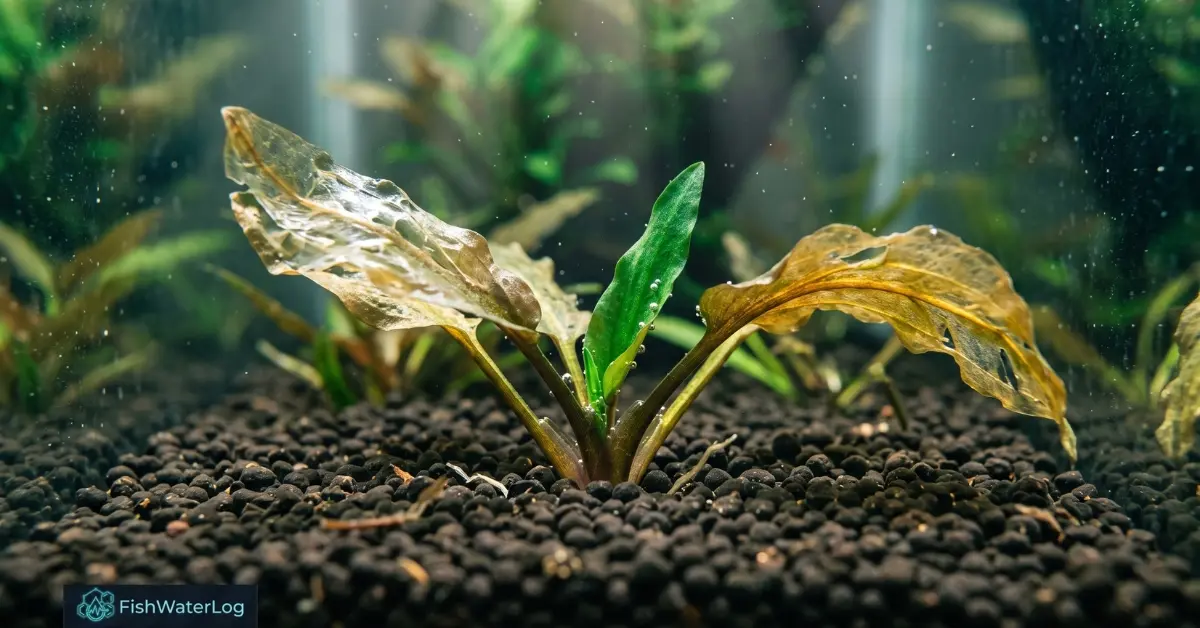
Introducing fresh botanical specimens into a newly scaped tank represents a foundational milestone in aquatic husbandry, yet the rapid deterioration of vibrant foliage into translucent, gelatinous detritus within 48 to 96 hours frequently alarms practitioners. When observing sudden foliar collapse, aquarists invariably ask why are new aquarium plants melting and dying despite careful planting, high-grade … Read more
The modern freshwater planted aquarium operates as a highly sophisticated, closed biogeochemical ecosystem reliant on the perpetual exchange of energy, dissolved gases, and bioavailable macronutrients. At the foundation of this aquatic environment lies the substrate bed. Unlike terrestrial agriculture, where soils are tilled, aerated, and amended with organic matter, an aquatic substrate functions under continuous … Read more
Freshwater aquatic ecosystems operate within an exceptionally delicate biological balance. While hobbyists routinely prioritize high-end canister filtration, specialized LED spectrums, and premium nutrition, the most fundamental biochemical metric—dissolved oxygen (DO)—is frequently overlooked until acute distress occurs. When closed habitats experience environmental hypoxia, teleost fishes instinctively migrate toward the air-water interface to perform aquatic surface respiration, … Read more
The biological equilibrium of a freshwater planted aquarium relies on the continuous flux and assimilation of dissolved inorganic carbon. Autotrophic macrophytes depend on carbon dioxide (CO2) and bicarbonate ions (HCO3-) to fuel photosynthesis. However, the molecular diffusion of carbon dioxide in water is nearly ten thousand times slower than in the atmosphere, creating a severe … Read more
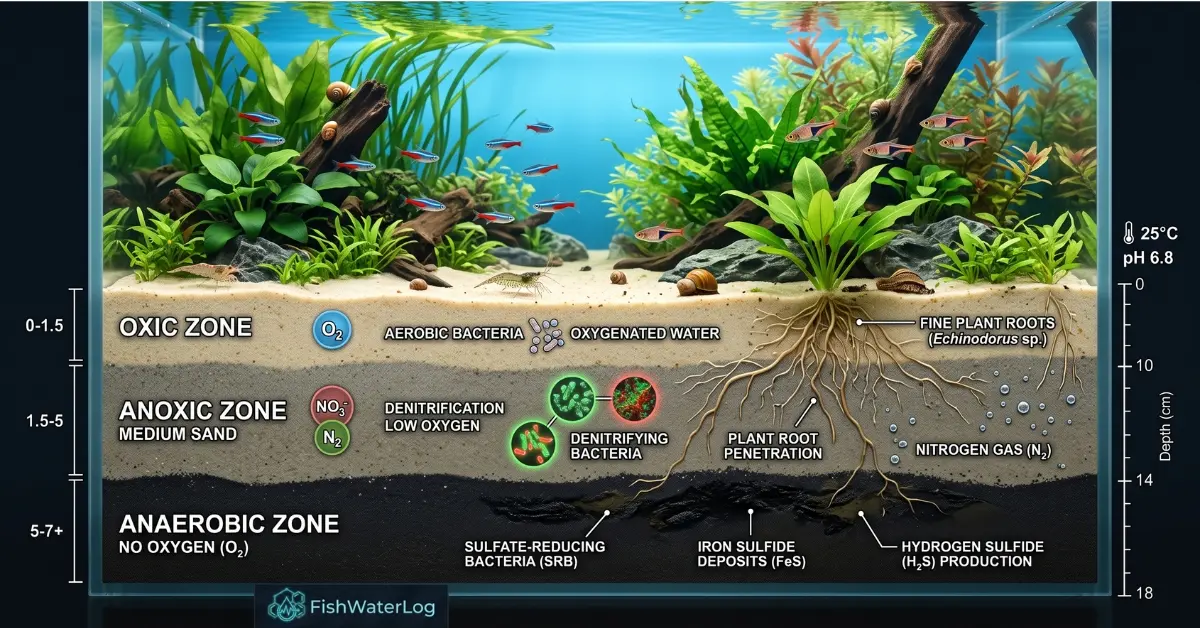
Life within a closed aquatic ecosystem is governed by a continuous biogeochemical balancing act, where the benthic substrate operates not as an inert gravel bed, but as a living thermodynamic engine. While long considered the exclusive domain of marine reef tanks, mastering freshwater deep sand bed denitrification provides the ultimate biological mechanism to permanently reduce … Read more
The subject of this comprehensive botanical analysis is Anubias barteri var. nana, an incredibly resilient, slow-growing aquatic perennial belonging to the family Araceae. This taxonomic classification places the species in direct relation to prominent terrestrial and hemiepiphytic aroids frequently cultivated as houseplants, such as Philodendron, Monstera, and Spathiphyllum. Endemic almost exclusively to the wet tropical … Read more
The transition from a low-technology aquatic environment to a high-intensity planted ecosystem fundamentally shifts the limiting factors of biological growth. Aquatic flora rely entirely on the surrounding water column to supply the necessary elements for photosynthesis. While intense illumination provides the photonic energy required to split water molecules, the subsequent dark reactions—specifically the Calvin-Benson cycle—demand … Read more
Within the discipline of freshwater aquatic botany and aquascaping, the bottom material of an aquarium represents far more than a decorative anchor. The substrate for planted tanks serves as the biochemical engine of the entire closed ecosystem. It binds essential nutrients within the reach of the rhizosphere, provides the vast microscopic surface area necessary for … Read more
The transition from a sterile glass box filled with artificial decor into a living, breathing biological ecosystem is the most rewarding evolution in the aquatic hobby. However, the pervasive misconception that a thriving aquascape mandates the use of pressurized carbon dioxide (CO2) injection, blindingly high-intensity lighting fixtures, and complex daily chemical dosing regimes severely deters … Read more