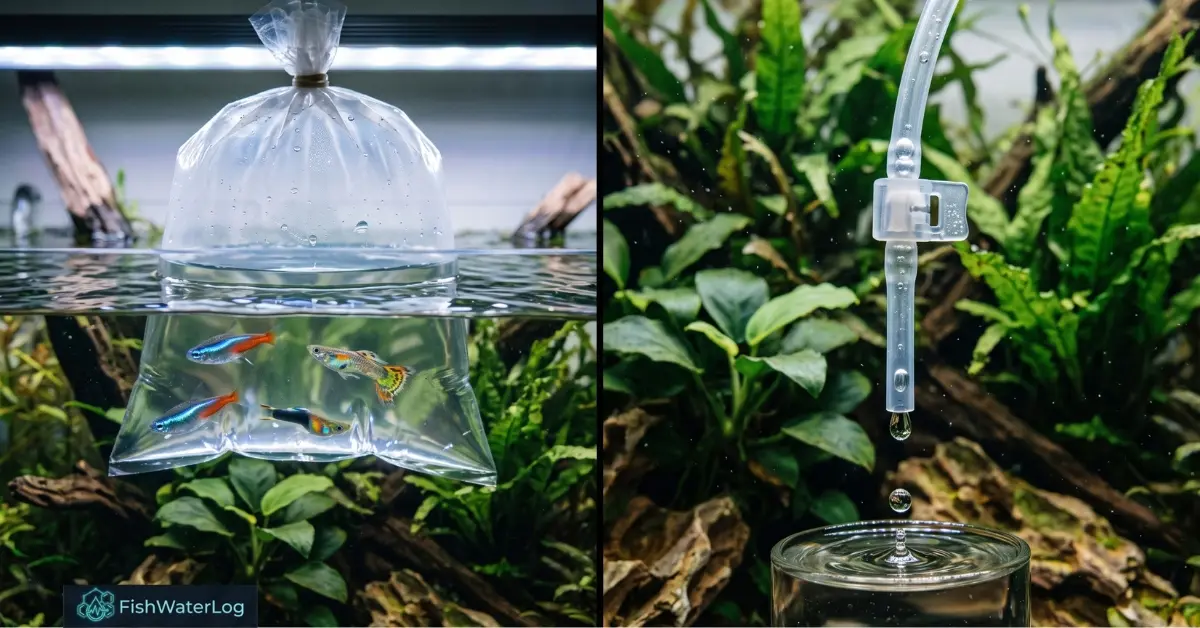
The introduction of newly acquired aquatic livestock into a localized aquarium system represents the single most dangerous physiological event in an aquatic organism’s lifecycle. Mortality rates during this critical transitional window are predominantly driven by severe physicochemical divergences between bagged shipping water and the destination tank. For decades, aquaculturists, aquatic veterinarians, and hobbyists have debated … Read more
The practice of maintaining thriving aquatic life within closed artificial ecosystems necessitates a firm grasp of teleost physiology, biofiltration kinetics, and nutritional biochemistry. Among the most debated and frequently misunderstood aspects of modern fishkeeping is the optimal frequency, volume, and timing of daily feeding. In natural aquatic habitats, food scarcity serves as a primary evolutionary … Read more
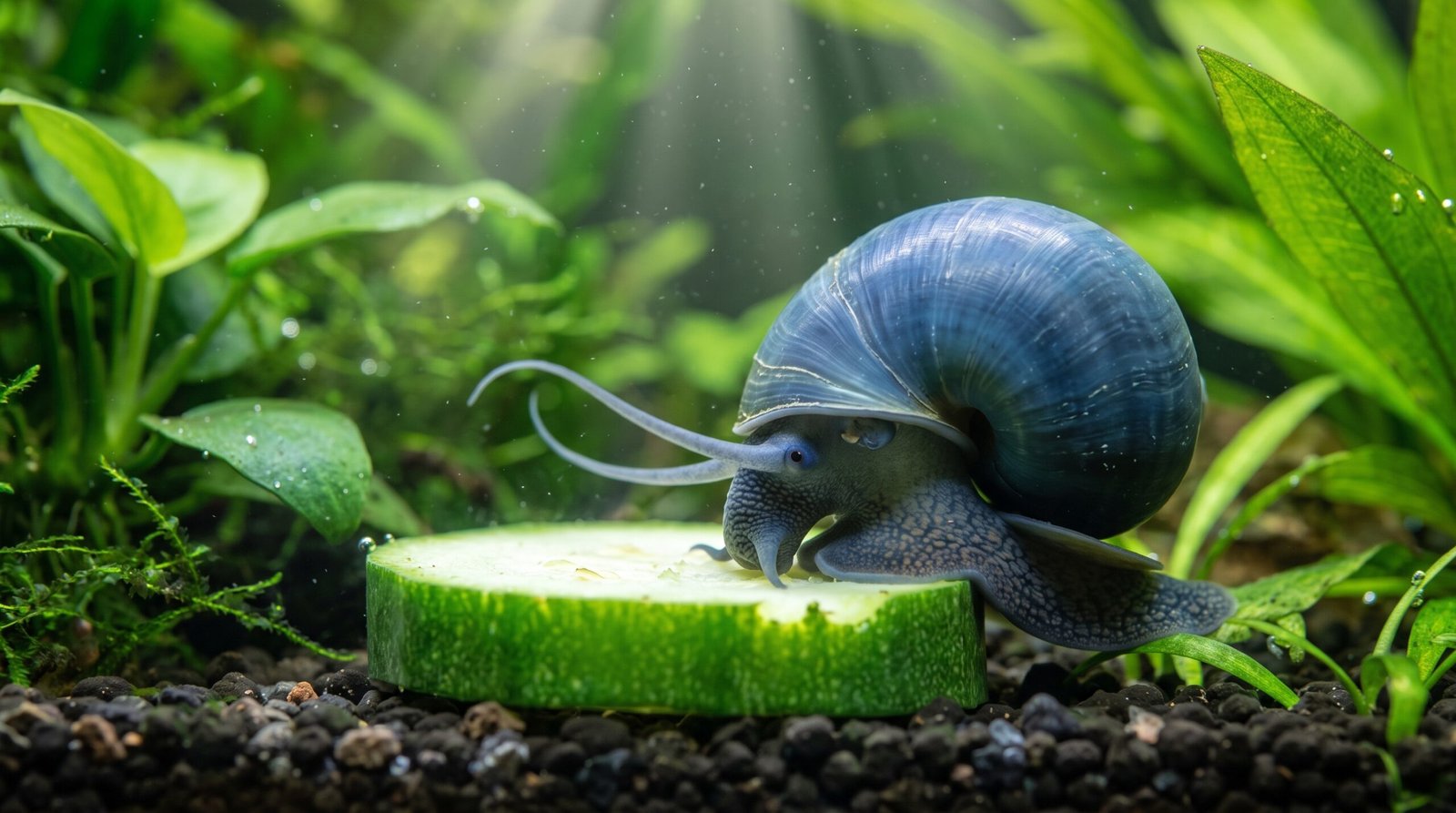
Prized for their striking selectively bred colors and active foraging habits, mystery snails (Pomacea diffusa) have established themselves as one of the most functional and engaging invertebrates in the planted aquarium hobby. Far from invasive pests, these peaceful gastropods serve as an indispensable biological cleanup crew, scouring substrate, glass, and hardscape for decaying plant matter, … Read more
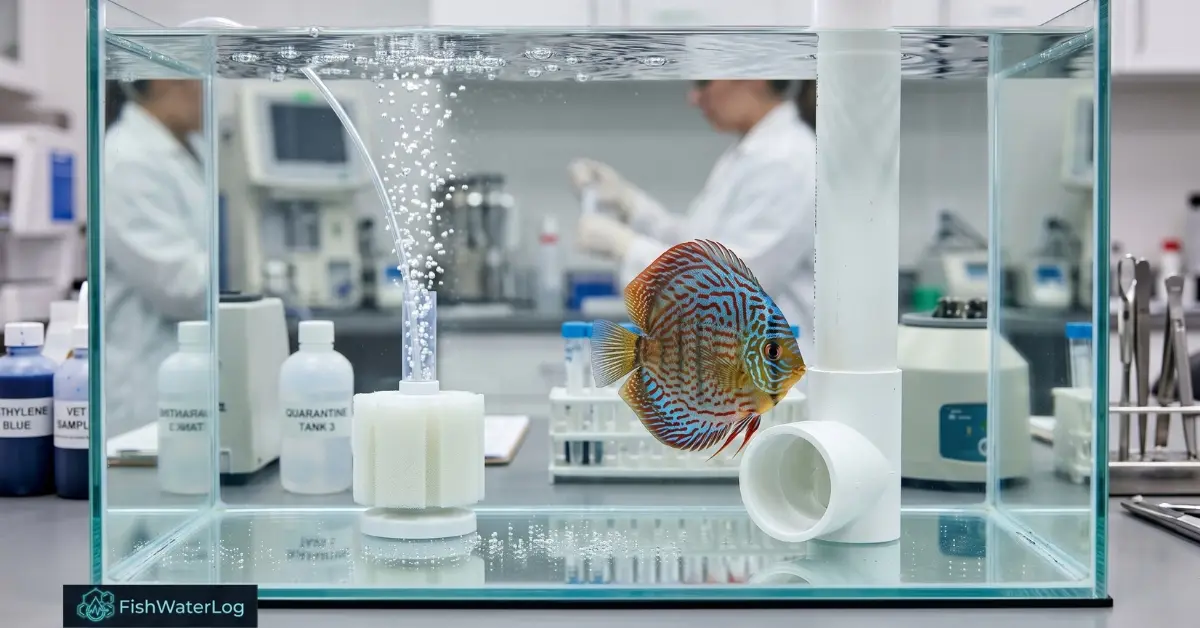
Setting up a dedicated fish quarantine tank is the single most critical biosecurity measure an aquarist can take to protect an established community aquarium. Introducing unquarantined livestock directly into a display tank frequently brings in virulent pathogens—ranging from stubborn protozoans like Ichthyophthirius multifiliis to devastating viral and bacterial infections—that can decimate an entire biological system … Read more
The transition from freshwater aquaria to marine ecosystems represents a monumental leap in biological complexity, chemical stability requirements, and advanced husbandry protocols. The marine environment is fundamentally unforgiving of the parameter fluctuations that freshwater teleosts routinely survive. For entry-level hobbyists, curating the best saltwater aquarium fish for beginners requires moving beyond superficial aesthetics to evaluate … Read more
Setting up a stable closed aquatic habitat requires moving beyond superficial aesthetic choices to evaluate true teleost biology. When curating an aquarium for the first time, identifying the best tropical fish for beginners hinges on measurable physiological resilience, peaceful community temperaments, and the inherent capacity to withstand acute hydrochemical fluctuations. During the initial biological maturation … Read more
Dwarf freshwater shrimp, most notably Neocaridina davidi (colloquially recognized as the Cherry Shrimp), represent a massive, highly engaged sub-niche within modern aquariculture. Prized for their prolific breeding capabilities, vibrant phenotypic coloration, and unsurpassed efficacy as detritivores, these invertebrates have fundamentally transformed the freshwater aquarium hobby. However, beneath their apparent adaptability lies a remarkably complex physiological … Read more
Aquatic veterinary medicine and closed-system aquacultural management demand a shift from empirical, high-level hobbyist summaries toward rigorous, scientific diagnostic frameworks for fish diseases. In closed aquatic environments, fish health is inextricably linked to biogeochemical water kinetics, microbial ecosystem dynamics, and host physiological responses. Conventional disease management often relies on superficial symptom-treatment matching, neglecting the underlying … Read more