
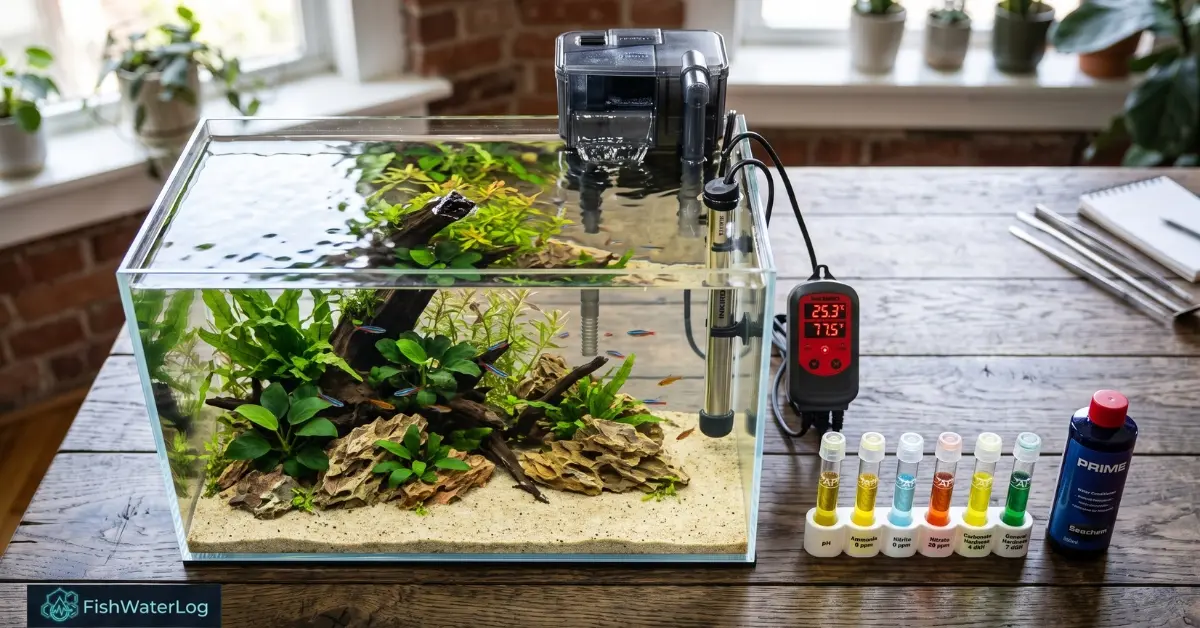
The successful transition from a casual aquatic observer to an advanced aquarist requires a fundamental paradigm shift. Rather than viewing an aquarium merely as a decorative receptacle holding water, the system must be approached as a highly controlled, enclosed aquatic life-support matrix. Sourcing reliable fish supplies goes far beyond aesthetic enhancements; it involves engineering an ecosystem capable of autonomously processing metabolic waste, stabilizing thermodynamics, and maintaining strict water chemistry parameters. For anyone initiating this process, securing the essential fish tank supplies for beginners serves as the critical foundation that dictates the long-term viability of the captive aquatic biome.
The acquisition of decorative aquarium accessories often misleads novices into prioritizing visual appeal over biological function. However, the core of any sustainable system relies on integrated life-support hardware consisting of tripartite filtration mechanics, thermal stabilization protocols, precise chemical metrology, and molecular water conditioning. Equipping an aquarium with dependable fish tank supplies for beginners—including an efficient fish filter, dual heating elements, and reliable water test kits—prevents the acute parameter swings that jeopardize aquatic life.
This exhaustive analysis delineates the exact scientific mechanisms, biological kinetics, and thermodynamic principles underlying these critical hardware arrays. By moving beyond generalized heuristics and focusing on peer-reviewed chemical and biological realities, the methodology presented ensures that your enclosed ecosystem remains resilient against the catastrophic biological crashes that typically plague introductory setups. Following this structured, easily navigable checklist approach provides the exact framework required to sustain an enclosed aquatic ecosystem indefinitely.
Phase 1: Physical Infrastructure, Sizing Dilution, and Structural Loads
Setting up an enclosed aquatic life-support system begins with the physical enclosure and its static footprint rather than the livestock. A frequent beginner misstep is opting for sub-10-gallon nano vessels or un-aerated bowls under the misconception that smaller footprints require less maintenance. In reality, micro-volumes severely penalize minor husbandry errors.
The Volumetric Buffer: Why 20-Gallon Systems Protect Beginners
Physical dilution serves as the aquarist’s most forgiving environmental buffer. In a 5-gallon nano aquarium, an undetected mortality, minor overfeeding event, or thermal spike triggers rapid stoichiometric shifts that concentrate toxic metabolites within hours. Conversely, a standard 20-gallon (approx. 75-liter) rectangular tank offers sufficient water volume to dilute transient ammonia surges and thermal swings, providing critical response time before systemic physiological stress occurs. Furthermore, rectangular horizontal profiles maximize atmospheric gas exchange by increasing the air-water interface area relative to total depth.
Structural Siting, Static Load Calculation, and Enclosure Canopies
- Static Structural Loads: Water exerts a static load of roughly 8.34 pounds per gallon. Factoring in dense silicate substrates, structural stone hardscapes, and heavy silicate glass, a filled 20-gallon system comfortably surpasses 225 to 250 pounds (100–115 kg). Beginners must strictly avoid placing systems on unrated domestic furniture or hollow particle-board desks, which deflect under sustained shear stress and lead to catastrophic glass seam delamination[cite: 1]. Always employ an engineered structural aquarium stand.
- Engineered Canopies: A tight-fitting glass canopy or durable polycarbonate lid is essential to reduce latent heat loss from surface evaporation, stabilize target water parameters, and prevent athletic surface-dwelling teleost species from jumping out of the enclosure.
Phase 2: Filtration Mechanics & Biological Life Support
The primary engine of any captive aquatic enclosure is the fish filter, an apparatus that must be conceptualized not as a simple water mover, but as a specialized biochemical processing plant. Among all foundational fish tank supplies for beginners, the filtration array represents the first and most vital investment. To establish long-term biological resilience, a filtration system must fractionate and neutralize metabolic waste across three distinct, consecutive phases: mechanical fractionation, autotrophic biological conversion, and macroporous chemical adsorption.
Mechanical Filtration: Solid Waste Fractionation and Hydrodynamics
Mechanical filtration serves as the initial physical barrier in the life-support circuit. Its primary function is intercepting particulate debris—including uneaten feed, fecal matter, sloughed plant matter, and cellular detritus—before it settles into interstitial zones. If organic particulate is left stagnant in the water column or trapped within low-flow substrate beds, it undergoes rapid heterotrophic mineralization. This decomposition depletes dissolved oxygen (DO) and floods the system with toxic total ammonia nitrogen (TAN).
The fractionation capacity of mechanical media is governed by its porosity, measured in pores per inch (PPI), alongside hydraulic flow velocity:
- Coarse Porosity (10–20 PPI): Coarse open-cell foam intercepts macroscopic debris without inducing premature hydrodynamic resistance or flow restriction.
- Fine Polishing Media (30–50 PPI / Micron Fleece): High-density synthetic pads trap fine colloidal suspended solids to deliver crystalline optical clarity.
Mechanical media merely confines solid waste to a localized area; it does not eliminate it from the aqueous system. Routine extraction and rinsing in non-chlorinated aquarium water remain mandatory to permanently remove physical waste before heterotrophic decay compromises the biological filter. Teleost fish excrete ammonia passively across gill lamellae, which rapidly accumulates without biological conversion. As documented in aquatic physiology research by the University of Florida IFAS Extension, maintaining high dissolved oxygen and stable pH is essential to mitigate acute un-ionized ammonia toxicity.
Biological Filtration: Microbial Kinetics and the Nitrogen Cycle
Biological filtration represents the non-negotiable core of aquatic life support. Teleost fish continuously excrete toxic unionized ammonia (NH3) across their branchial epithelia into the water. In a closed ecosystem lacking massive external dilution, ammonia accumulates to lethal thresholds, causing chemical burns, branchial hyperplasia, and acute respiratory failure.
Modern microbiological sequencing demonstrates that biological oxidation in freshwater systems relies on a specialized microbial consortium rather than outdated textbook assumptions:
- Ammonia Oxidation: Ammonia-Oxidizing Bacteria (AOB, primarily from the genus Nitrosomonas) and Ammonia-Oxidizing Archaea (AOA) oxidize ammonia into toxic nitrite (NO2–).
- Nitrite Oxidation: In established oligotrophic freshwater biofilters, Nitrospira species—functioning as high-affinity K-strategists—drive the oxidation of nitrite into comparatively benign nitrate (NO3–), rather than Nitrobacter. Complete ammonia-oxidizing (comammox) organisms also contribute directly to this metabolic cascade.
Because the complete biological oxidation of 1 mg of ammonia consumes approximately 4.57 mg of dissolved oxygen, maintaining robust surface turbulence and unimpeded water turnover is critical to prevent localized anoxia within the bacterial biofilm. Understanding the kinetic limits and microbial pathways of this biochemical cascade is critical; review our comprehensive breakdown of the nitrogen cycle and biofiltration kinetics to manage daily ammonia conversion.
The Carbon-to-Nitrogen (C:N) Ratio: Biofilm Smothering and Overfeeding Kinetics
While establishing nitrifying bacteria is vital, maintaining microbial stability requires regulating the Carbon-to-Nitrogen (C:N) ratio within the filter media matrix. Introducing excess feed or accumulating organic detritus rapidly elevates dissolved organic carbon (DOC). This triggers an explosive proliferation of heterotrophic bacteria, which reproduce exponentially with doubling times as short as 30 to 60 minutes, compared to the slow 15- to 24-hour replication cycle of autotrophic nitrifiers (Nitrosomonas and Nitrospira).
When the C:N ratio shifts unfavorably, dominant heterotrophs secrete dense extracellular polymeric substances (EPS). This structural slime physically covers filter media pores, actively outcompeting and suffocating slow-growing autotrophic nitrifiers by starving them of dissolved oxygen and substrate mass-transfer. Preventing this biological suffocation requires disciplined, conservative feeding protocols and mechanical pre-filtration rather than relying solely on chemical additives.
Filter Media Selection: Surface Area Topography and Biofilm Dynamics
Commercial marketing for fish supplies frequently promotes sintered glass and ceramic media, highlighting theoretical surface areas calculated via gas adsorption assays. However, practical fluid dynamics and microbiology reveal severe operational limitations with these metrics:
- Micropore Inaccessibility: Gas adsorption assays map micropores as microscopic as 0.0001 microns, whereas living nitrifying bacteria measure 2 to 5 microns in length and cannot colonize sub-micron cavities.
- Biofilm Diffusion Limits: Active nitrification is mechanically restricted to the exterior 100 to 200 microns of the biofilm boundary layer due to dissolved oxygen and substrate mass-transfer depletion. Deep internal fissures quickly turn into inactive, detritus-clogged zones.
- Open-Cell Polyurethane Foam: Reticulated 30 PPI polyurethane sponge provides superior biological performance for beginner aquariums by combining broad, physically accessible macroscopic surface area with steady fluid channels that resist premature clogging.
While open-cell foam offers high colonizable area, selecting the right porosity prevents flow channels from collapsing; compare structural densities in our evaluation of optimal aquarium filter media.
Chemical Filtration: Macroporous Adsorption and Organic Sequestration
Chemical filtration functions as an auxiliary polishing stage using specialized adsorbent media, most commonly activated carbon. Through Van der Waals forces, activated carbon sequesters dissolved organic compounds (DOCs), biological tannins, synthetic dye residues, and heavy metals from the water column before heterotrophic bacteria can break them down into nitrogenous waste.
Media performance is dictated by base material selection and pore size distribution:
- Coconut Shell Carbon: Dominated by micropores (<2 nm), this carbon variant excels at scavenging chlorine, chloramines, and small volatile organic compounds.
- Lignite Coal Carbon: Rich in mesopores (2–50 nm) and macropores (>50 nm), coal-based carbon effectively binds large, complex organic tannins and humic acids to eliminate tea-colored water discoloration.
Activated carbon does not adsorb inorganic ions like ammonia, nitrite, or nitrate. Its primary function within the tripartite filter matrix is preventative: sequestering dissolved organic precursors to lower the overall metabolic burden on the autotrophic biological filter.
While legacy literature cited Nitrobacter as the primary nitrite oxidizer, contemporary metagenomic analysis published via the National Center for Biotechnology Information (NCBI) confirms that oligotrophic freshwater biofilters are predominantly colonized by high-affinity Nitrospira lineages.
Phase 3: Thermal Hardware: Thermodynamics, Wattage Sizing, and Redundancy
Maintaining precise thermal stability is non-negotiable for captive tropical species. Because fish are ectothermic organisms, their metabolic pathways, immune responses, and cellular enzyme functions are governed entirely by ambient water temperature. When selecting fish tank supplies for beginners, thermal hardware must be engineered with systematic failsafes rather than treated as an afterthought.
The Physics of Aquarium Heat Loss and Material Conductivity
Tropical freshwater enclosures typically require stable temperatures between 76°F and 82°F (24°C to 28°C). The rate at which an aquarium loses thermal energy depends directly on conductive, convective, and evaporative losses, driven primarily by the temperature differential (ΔT) between the water column and the coldest ambient room temperature.
The construction material of the vessel significantly influences overall heat dissipation:
- Silicate Glass: Exhibits a relatively high thermal conductivity of approximately 0.61 W/m·K, leading to rapid heat transfer into cool ambient air.
- Cast Acrylic: Offers superior insulation with a thermal conductivity of roughly 0.12 W/m·K, retaining thermal energy more effectively than glass.
- Surface Evaporation: Open-top rimless designs accelerate evaporative cooling, requiring substantially higher thermal energy inputs compared to tanks fitted with tight polycarbonate or glass canopies.
Mathematical Guidelines for Heater Wattage Sizing
Proper wattage calculation prevents premature heating element burnout and protects systems against thermal collapse during seasonal temperature drops. A reliable baseline guideline requires 3 to 5 watts of heating power per gallon of actual water volume, scaled according to ambient room temperature differentials:
| Ambient Environment | Temperature Differential (ΔT) | Wattage Multiplier | 10-Gallon Tank | 50-Gallon Tank |
|---|---|---|---|---|
| Warm Room | ΔT ≤ 5°F (Ambient ~74°F → Target 78°F) | 3 Watts / gallon | 30 W | 150 W |
| Cool Room | ΔT ≈ 5°F–10°F (Ambient ~68°F → Target 78°F) | 4 Watts / gallon | 40 W | 200 W |
| Cold Room | ΔT > 10°F (Ambient ~60°F → Target 78°F) | 5 Watts / gallon | 50 W | 250 W |
Undersizing heating elements forces them to run continuously at a 100% duty cycle. This constant operation induces rapid metallurgical fatigue in mechanical relay switches, causing premature component failure.
Equipment Redundancy and Algorithmic Fail-Safes
Single submersible glass heaters represent one of the highest points of failure in aquarium setups. They typically fail in two catastrophic modes: sticking “OFF” and inducing severe hypothermia, or fusing “ON,” which rapidly boils livestock within hours. When sourcing essential fish tank supplies for beginners, deploying a redundant thermal configuration is the single most effective safeguard against total ecosystem collapse.
- Dual-Element Distribution: Split total required wattage across two smaller heaters placed at opposite ends of the tank (for example, two 50W heaters instead of a single 100W unit in a 20-gallon system). If one fails shut, the secondary unit prevents lethal hypothermia; if one fuses open, its lower wattage prevents runaway overheating before you intervene.
- External Digital Temperature Controllers: Never rely exclusively on internal mechanical bimetallic thermostats. Route heating elements through an independent dual-stage digital temperature controller equipped with a dedicated submersible thermistor probe to physically cut AC power the instant the upper temperature threshold is breached.
- Shatterproof Titanium Elements: Unlike conventional borosilicate glass tubes that crack when exposed to air during routine water changes, titanium elements provide superior structural integrity, impact resistance, and thermal transfer efficiency.
Wiring independent heating elements to a secondary thermostat eliminates relay welding risks. For a complete step-by-step telemetry setup, reference our technical guide on dual-stage heater controller redundancy.
Practical Husbandry Ergonomics: Siting, Drip Loops, and Dedicated Equipment
Long-term operational success depends as much on physical deployment protocols as internal water chemistry:
- Dedicated Husbandry Buckets: Chemical cross-contamination is a primary cause of acute biological crashes. Maintain a distinctly labeled 5-gallon bucket strictly reserved for aquatic maintenance. Household buckets exposed to residual detergents, floor cleaners, or surfactants can wipe out a biological filter and cause acute gill toxicity.
- Mandatory Drip Loops: Because water and alternating line currents operate in close proximity, every power cable leading from filters, heaters, and lighting arrays must feature a physical “drip loop” dipping below the wall outlet. This prevents condensation or water droplets from tracking down the cord directly into the electrical socket.
- Tank Siting and Ambient Microclimates: Avoid positioning display tanks near unshaded windows or active HVAC distribution vents. Direct solar radiation induces photochemical phosphorus cycling and explosive algae blooms, while localized heating/cooling vents introduce erratic microclimate swings that stress ectothermic livestock.
Cross-reference your measured parts-per-million values and maintain safe biological boundaries using our calibrated aquarium water parameters directory.
Metrology and Chemical Testing Protocols
The management of invisible chemical parameters separates sustainable fish-keeping from unpredictable system failure. Because lethal nitrogenous compounds such as ammonia and nitrite are completely transparent and odorless in aqueous solution, routine sensory evaluation is impossible. Accurate parameter tracking requires laboratory-grade chemical metrology, making dedicated testing reagents among the most critical fish tank supplies for beginners.
The Limitations of Colorimetric Paper Test Strips
Introductory kits frequently include chemically treated dry paper test strips due to low manufacturing costs and convenience. However, dry test strips are prone to significant metrological inaccuracy:
- Atmospheric Moisture Degradation: Once the factory seal on a container is unsealed, ambient room humidity immediately begins reacting with the dry reagent pads, skewing color development and causing false readings.
- Subjective Gradations: Paper strips present broad, stepped color increments that cannot capture the subtle, low-level fractions of parts-per-million (ppm) required to diagnose an emerging or stalling nitrogen cycle.
Liquid Reagent Metrology: The Salicylate Method
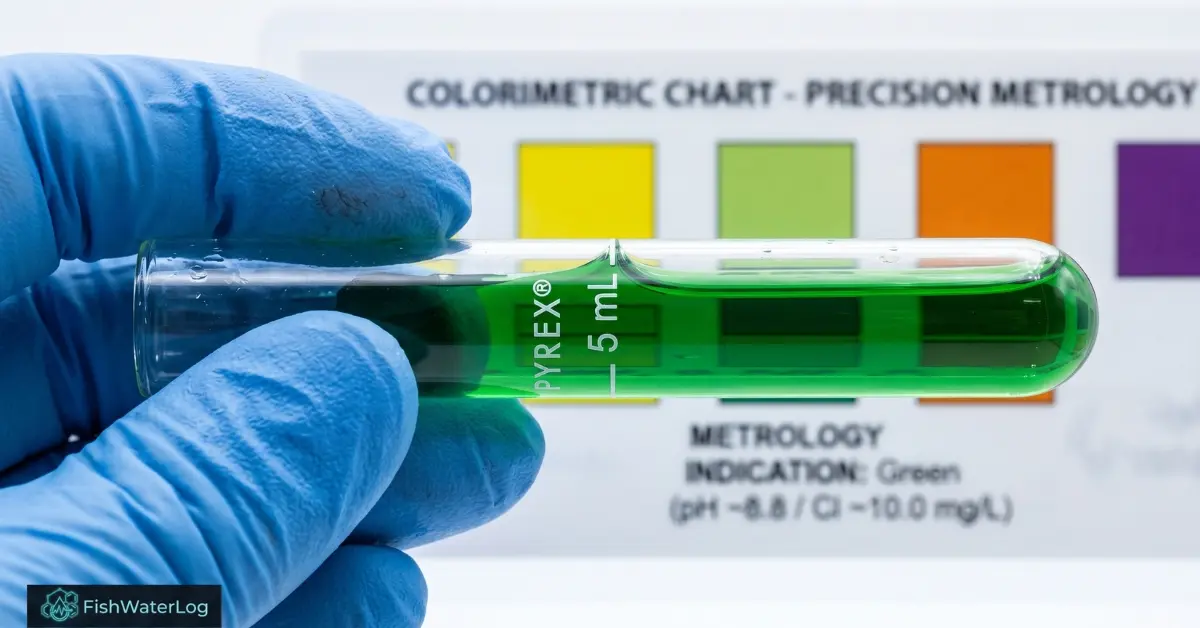
Liquid reagent kits, such as the API Freshwater Master Test Kit, provide stable, repeatable, and high-resolution chemical diagnostics. Bottled liquid reagents resist atmospheric moisture oxidation and enable precise colorimetric titration.
- Aliquots and Meniscus Alignment: Always measure exactly 5 mL of tank water, ensuring the bottom of the curved liquid meniscus aligns perfectly with the fill line on the glass test tube to preserve stoichiometric ratios.
- The Salicylate Reaction Cascade: Modern ammonia testing utilizes salicylate chemistry instead of hazardous mercury-based Nessler reagents. Ammonia ions react with hypochlorite to produce monochloramine, which combines with salicylate in the presence of a sodium nitroprusside catalyst to form an indosalicylate dye complex.
- Reaction Kinetics and Incubation: The visual profile transitions from yellow (0 ppm ammonia) to vivid green as ammonia concentrations climb. You must wait exactly 5 minutes for oxidative dye coupling to reach thermodynamic completion before matching the sample against the color chart; premature readings yield false-low results.
Evaluate biological trends and track daily ammonia, nitrite, and KH shifts using our interactive aquarium calculator and parametric logbook.
Nitrate Metrology and Zinc Dust Reduction Kinetics
Tracking nitrate (NO3–) measures the cumulative performance of the biofilter and dictates required water change frequencies. Because the nitrate ion is highly stable and resists direct colorimetric dyeing, liquid test suites incorporate a two-step chemical reduction process:
- Zinc Dust Reduction: Reagent Bottle #2 contains heavy, elemental zinc dust suspended in a liquid carrier. When introduced to the sample, zinc reduces nitrate back into reactive nitrite (NO2–), which subsequently binds to an azo-dye compound to generate an amber-to-deep-red colorimetric output.
- Crucial 30-Second Agitation: Zinc has a high specific gravity and rapidly precipitates into a dense sediment plug at the bottom of the bottle. Failing to shake Bottle #2 vigorously for a full 30 to 60 seconds leaves the reducing agent trapped at the base, resulting in a false-zero reading that masks dangerous chronic nitrate accumulation.
Water Chemistry: Conditioners and Detoxification Mechanisms
Municipal tap water contains broad-spectrum biocidal compounds added to eliminate waterborne pathogens. Introducing untreated tap water into an enclosure causes instantaneous branchial burns in livestock and immediately sterilizes the sensitive autotrophic nitrifying bacteria colonized within the fish filter. High-grade liquid conditioners represent essential fish supplies that must be dosed before any new water touches the system.
Halogen Neutralization: Chlorine and Chloramine Cleavage
While traditional free chlorine gas (Cl2) readily off-gases from open water via vigorous aeration within 24 to 48 hours, modern municipal infrastructure almost universally relies on chloramine (NH2Cl). Formed by covalently bonding chlorine to ammonia, chloramine is exceptionally stable and will not dissipate through passive aeration.
- Sodium Thiosulfate Reduction: Standard dechlorinators utilize sodium thiosulfate (Na2S2O3) to instantaneously cleave chlorine into harmless chloride ions (Cl–).
- The Residual Ammonia Problem: When sodium thiosulfate breaks the chloramine molecule, it neutralizes the chlorine component but releases bound ammonia directly into the water column, provoking an immediate ammonia spike in newly filled tanks.
The Sodium Hydroxymethanesulfonate (HMS) Debate
To address liberated ammonia from chloramine breakdown, advanced water conditioners employ complex sulfonate formulations, most notably sodium hydroxymethanesulfonate (HMS). While commercial marketing suggests these compounds bind free ammonia into a harmless aminomethanesulfonate complex for 24 to 48 hours, empirical kinetic studies show that HMS functions predominantly as an aggressive halogen-reducing agent rather than a true long-term ammonia chelator at typical freshwater pH levels (7.0 to 8.2). Nevertheless, concentrated dechlorinators remain mandatory to neutralize toxic halogens before source water enters the biological filter.
Carbonate Hardness (KH) and pH Buffer Stabilization
Maintaining a stable biological foundation requires understanding Carbonate Hardness (KH), which acts as an alkaline buffer against systemic acidification:
- Acidifying Biofiltration: Autotrophic nitrification is an acid-producing biochemical reaction. For every 1 mg/L of ammonia oxidized into nitrate, nitrifying bacteria consume approximately 7.14 mg/L of carbonate alkalinity (as CaCO3) while releasing hydrogen ions (H+).
- pH Crashes & Cycle Collapse: If source water lacks sufficient carbonate hardness, continuous biofiltration rapidly depletes alkalinity, triggering an acute drop in pH below 6.0. At low pH, nitrifiers become dormant, stalling the nitrogen cycle and generating lethal ammonia spikes.
- Proactive Buffering: Testing KH alongside pH ensures the system maintains sufficient buffering capacity to resist biological acidification.
Phase 4: Benthic Ecology, Substrate Selection, and Epiphyte Flora
The interior architecture of the aquarium provides physical enrichment, spatial territories, and extensive benthic surface area for microbial colonization. The choice of substrate and flora must align with the physiological needs of the planned livestock.
Substrate Mechanics: Inert Sand vs. Coarse Aggregates
Beginners should deploy inert substrates—such as washed silica sand or smooth river quartz—over nutrient-loaded active soils that alter carbonate hardness and release early ammonium spikes. For benthic foragers like Corydoras catfish and loaches, fine-grain rounded sand is a mandatory physiological requirement. Coarse or sharp gravel mechanically erodes their sensory barbels, exposing open wounds to opportunistic benthic bacteria and leading to irreversible necrotic barbel loss.
Hardscape Siting and Hardy Epiphytes
- Line-of-Sight Breaks: Natural cured driftwood and inert hardscape stone (e.g., Dragon Stone) establish visual barriers within the habitat, breaking territorial lines of sight and reducing stress-induced cortisol production among community species. Natural wood also releases trace humic substances and tannins that gently condition water chemistry.
- Low-Light Epiphyte Selection: Avoid delicate, high-demand aquatic stem plants that require pressurized CO2 injection arrays. Instead, anchor hardy epiphyte species such as Anubias barteri and Java Fern (Microsorum pteropus) directly onto hardscape surfaces. These hardy plants draw inorganic nitrogen directly from the water column through rhizomes, thriving under standard baseline LED illumination.
For detailed botanical profiles and root-anchoring methods, review our curated directory of low-light aquarium plants for beginners.
Phase 5: Husbandry Ergonomics, Water Changers, and Clinical Nutrition
The long-term viability of a closed ecosystem is determined by routine physical maintenance protocols. Without efficient, ergonomic tools, beginner maintenance habits often deteriorate, resulting in chronic nitrate and phosphate accumulation.
Substrate Siphoning: Standard Tubes vs. Faucet-Coupled Displacement Systems
Substrate maintenance requires removing accumulated organic detritus (mulm) using a gravity-fed gravel vacuum during routine 20% to 30% water volume exchanges. For systems exceeding 20 gallons, relying on manual buckets introduces heavy physical strain and spill risks. Integrating a sink-coupled water displacement system (such as a Python No Spill Clean and Fill) streamlines the draining and refilling process directly from the faucet, ensuring strict adherence to consistent maintenance cycles.
Mastering siphon hydraulics prevents accidental substrate disruption; see our guide on how to clean aquarium gravel properly without damaging the benthic biofilter.
Species-Specific Nutritional Matrices
Discard generic, low-grade flake foods that dissolve rapidly at the surface and elevate dissolved organic carbon. Nutrition must be species-tailored to minimize metabolic waste:
- Benthic Bottom-Feeders: Dense, water-stable sinking pellets that remain intact without disintegrating into interstitial substrate pockets.
- Herbivorous Grazers: High-purity spirulina and kelp wafers formulated to satisfy lower-gut transit times without bloating.
- Mid-Water Column Feeders: Slowly sinking, micro-extruded granules that allow natural pelagic feeding behavior.
Biosecurity and Clinical Quarantine Protocols: Preventing Systemic Pathogen Introduction
Most introductory guides intentionally omit biosecurity measures to minimize perceived entry friction, leading to catastrophic early livestock losses. Introducing commercially acquired teleost fish directly into an established display system presents significant pathogen risks, including external ciliate parasites (Ichthyophthirius multifiliis), monogenean flukes, and systemic opportunistic bacteria.
A functional quarantine unit does not require an expensive glass display tank. An effective baseline configuration consists of:
- Secondary Vessel: An inexpensive 5-gallon food-grade plastic tub or rimmed glass tank dedicated exclusively to observational recovery.
- Independent Life-Support: A bare-bottom system equipped with a small, mature air-driven sponge filter and an independent preset heater to isolate all microbial vectors.
- Observational Isolation Window: A strict 3- to 4-week holding period allows subclinical infections to manifest and be treated pharmacologically in a small volume without compromising display tank plants, sensitive benthic invertebrates, or biofilter integrity.
Isolating new stock prevents systemic display infections; inspect common pathogen diagnostics and treatment dosages in our aquarium fish diseases and clinical protocols guide.
Essential Fish Tank Supplies for Beginners Comparison Table
To synthesize the complex mechanical, thermal, and metrological requirements into an actionable framework, the following reference table outlines the hardware components necessary to establish a resilient aquatic life-support system:
| Hardware Category | Primary Ecosystem Function | Recommended Beginner Component | Scientific & Engineering Justification |
|---|---|---|---|
| Filtration Array | Nitrogenous waste oxidation and particulate fractionation | High-porosity 30 PPI open-cell sponge filter or oversized Hang-On-Back (HOB) filter | Maximizes physically accessible biofilm surface area while preventing the interstitial clogging and anoxic dead zones typical of micro-porous ceramic media. |
| Thermal System | Thermodynamic heat loss mitigation and stabilization | Dual titanium heating elements paired with an external digital temperature controller | Maintains the standard 3–5 W/gal baseline across split elements, eliminating single-point failure risks and guarding against runaway overheating from stuck internal bimetallic relays. |
| Metrology Suite | Precise quantification of invisible toxic metabolites | Liquid reagent test kit (API Freshwater Master Test Kit) | Avoids atmospheric humidity degradation inherent to dry paper test strips; utilizes the salicylate reaction method to provide accurate, high-resolution colorimetric readings. |
| Water Conditioner | Biocidal halogen cleavage and municipal water neutralization | Concentrated chemical dechlorinator (Sodium hydroxymethanesulfonate formulation) | Instantly cleaves robust covalent chloramine bonds and neutralizes free chlorine before incoming tap water damages fish gill tissues or sterilizes nitrifying biofilter colonies. |
The Ecological Footprint of the Aquarist: Energy and Sourcing Dynamics
A comprehensive understanding of the aquarium hobby extends to its broader environmental profile. Operating enclosed aquatic ecosystems carries measurable ecological footprints across two distinct vectors:
- Scope 1 (Operational Energy Demands): Continuous 24/7 power draw from high-wattage heating arrays, constant-duty canister pumps, and high-PAR photoperiod lighting contributes directly to household energy consumption. Mitigating this impact involves utilizing energy-efficient WRGB solid-state LED arrays and insulating glass canopies to cut evaporative thermal loss.
- Scope 3 (Upstream Supply-Chain Pressures): Upstream life cycles encompass silica mining for glass tanks, energetic costs of fired ceramic media, and long-distance air freighting of ornamental species. Prioritizing certified captive-bred teleost specimens over wild-caught specimens helps protect fragile riparian ecosystems while reducing transit-induced mortality.
Conclusion: Architecting a Sustainable Aquatic Ecosystem
Transitioning into long-term aquatic husbandry requires looking past simple decorative accessories and adopting the disciplined mindset of a life-support engineer. Sourcing the proper fish supplies is not about selecting ornamental tank dressings; it involves integrating interdependent biological, thermal, and chemical systems designed to sustain life in a closed aquatic loop.
By investing in proven fish tank supplies for beginners—a high-surface-area fish filter, a redundant heating configuration governed by external algorithmic controllers, precision liquid test reagents, and reliable dechlorinators—you eliminate the primary failure points that plague new setups. Securing these essential fish tank supplies for beginners establishes an ecosystem engineered for chemical equilibrium, biological stability, and thriving aquatic life.
Frequently Asked Questions (FAQs)
Why are paper test strips considered insufficient for precise aquarium monitoring?
Paper test strips are highly susceptible to ambient atmospheric humidity, which degrades the dry reagent pads the moment the commercial container is opened. Additionally, their broad and subjective color gradations cannot resolve the low-level parts-per-million (ppm) shifts required to track the sensitive stages of an active nitrogen cycle.
How much heating power is actually required for a 10-gallon aquarium?
Following standard thermodynamic sizing guidelines of 3 to 5 watts of heating power per gallon, a 10-gallon aquarium requires 30 to 50 watts of total capacity. If the ambient room temperature drops significantly below target water temperature (ΔT > 10°F), a 50-watt threshold is mandatory to prevent continuous duty-cycle wear and thermal exhaustion.
Why is it necessary to vigorously shake the Nitrate test reagent bottle?
Reagent Bottle #2 in liquid nitrate test kits contains heavy elemental zinc dust that chemically reduces stable nitrate (NO3–) back to nitrite (NO2–) for color development. Because zinc dust rapidly settles into a dense plug at the bottom of the bottle, failing to shake it vigorously for 30 to 60 seconds leads to a failed reaction and false-zero nitrate readings.
Can I rely entirely on the internal thermostat of a submersible heater?
No. Internal bimetallic mechanical thermostats are among the most common equipment failure points in the hobby, frequently sticking open to chill the tank or welding shut to boil the water. Thermal safety requires pairing heaters with an external dual-stage digital temperature controller equipped with a dedicated thermistor probe to physically sever power if safe thresholds are exceeded.
