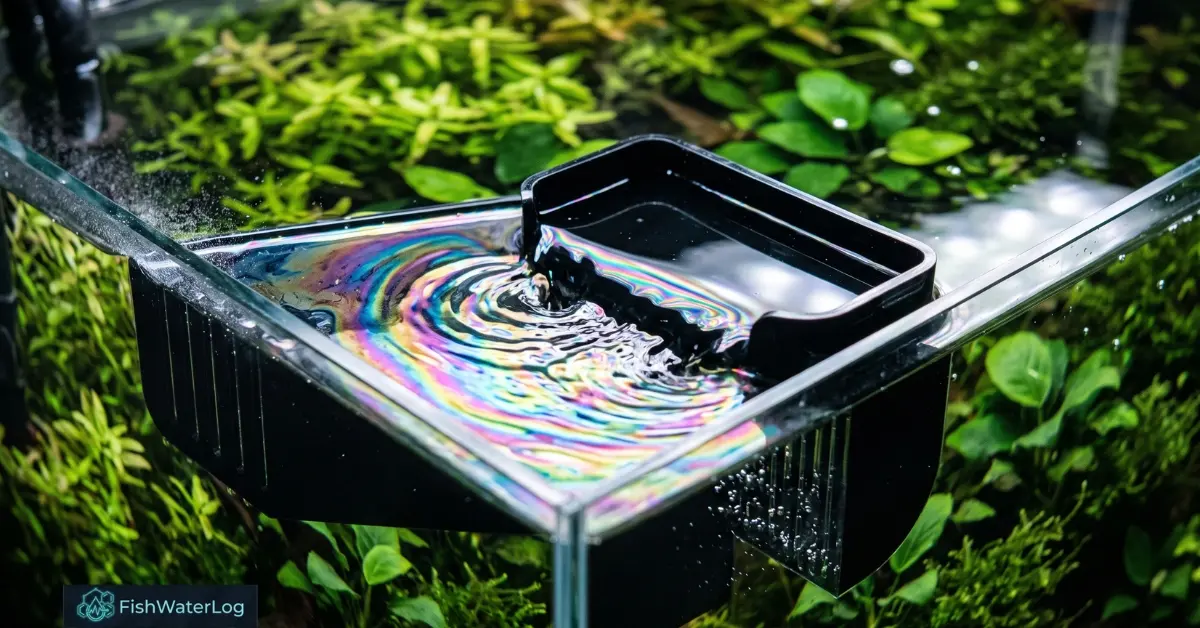
The persistent accumulation of a shimmering, oily layer at the air-water interface is one of the most pervasive challenges encountered in closed aquatic environments. While frequently dismissed as a minor aesthetic issue, this bio-membrane represents a severe physiological barrier that compromises both physical water chemistry and biological stability. Understanding why is there oily film on … Read more
The precise management of radiant energy in closed aquatic ecosystems dictates the biological survival and coloration of flora and fauna. Historically, hobbyists relied on visually weighted metrics like lumens or basic wattage to estimate intensity. However, lumens peak at 555 nm—aligned with human visual sensitivity rather than plant photochemistry. Modern horticulture requires an empirical approach … Read more
In the highly constrained environment of a closed aquatic ecosystem, strict thermal stability dictates the survival of all biological organisms. Unlike the open ocean, which possesses massive thermal inertia, a home aquarium is highly vulnerable to rapid temperature fluctuations and hardware-induced energy spikes. As a heating element drives the water temperature upward, the water’s capacity … Read more
For decades, aquarium hobbyists have endured the disruptive gurgling, slurping noises, and microbubble storms typical of conventional single-pipe drain systems. While marine reef keepers quickly embraced silent gravity drains, freshwater aquarists have often navigated conflicting advice that overlooks freshwater interfacial dynamics, higher surface tension, and planted tank CO2 retention. Deploying a beananimal overflow freshwater sump … Read more
The cultivation of high-technology freshwater planted aquariums has evolved significantly from rudimentary substrate fertilization into a highly sophisticated discipline resembling chemical engineering. In systems characterized by high-intensity photosynthetically active radiation (PAR) and pressurized carbon dioxide injection, aquatic flora metabolize macronutrients and micronutrients at an exponential rate. In high-growth systems with pressurized dissolved carbon, balancing nutrient … Read more
In the discipline of advanced aquatic ecosystem management, achieving absolute chemical, biological, and environmental stability remains the paramount objective. Historically, monitoring nitrogenous compounds, thermal gradients, and potential hydrogen (pH) constituted the baseline of water quality management. However, the critical limiting factor for cellular respiration in any closed ecosystem is dissolved oxygen (DO). Integrating an advanced … Read more
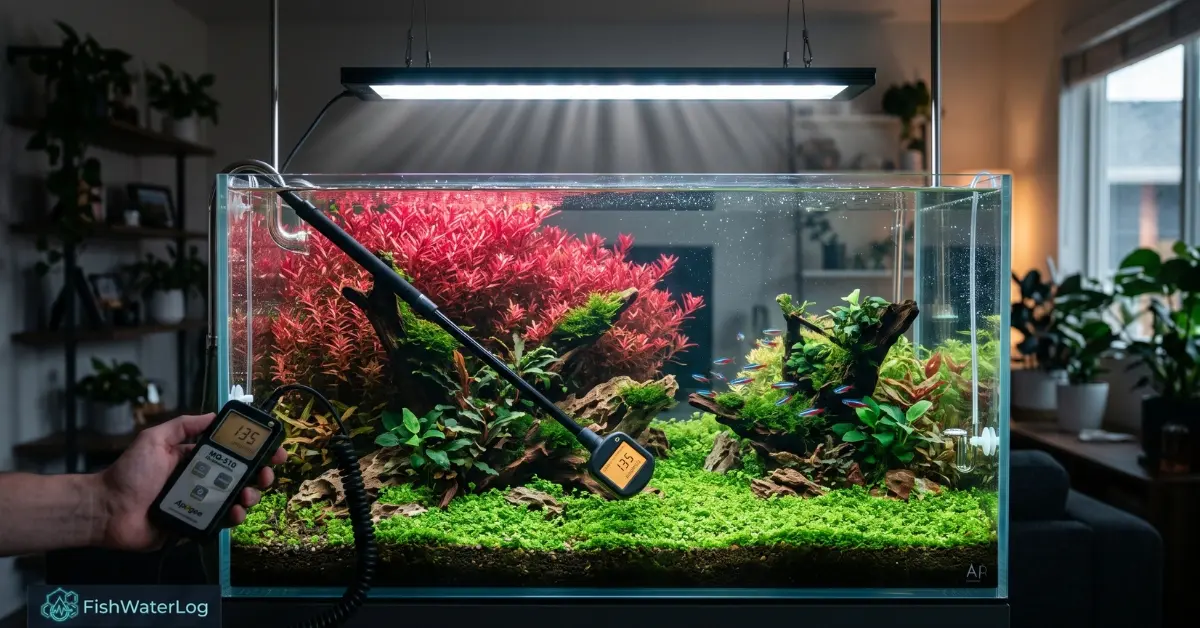
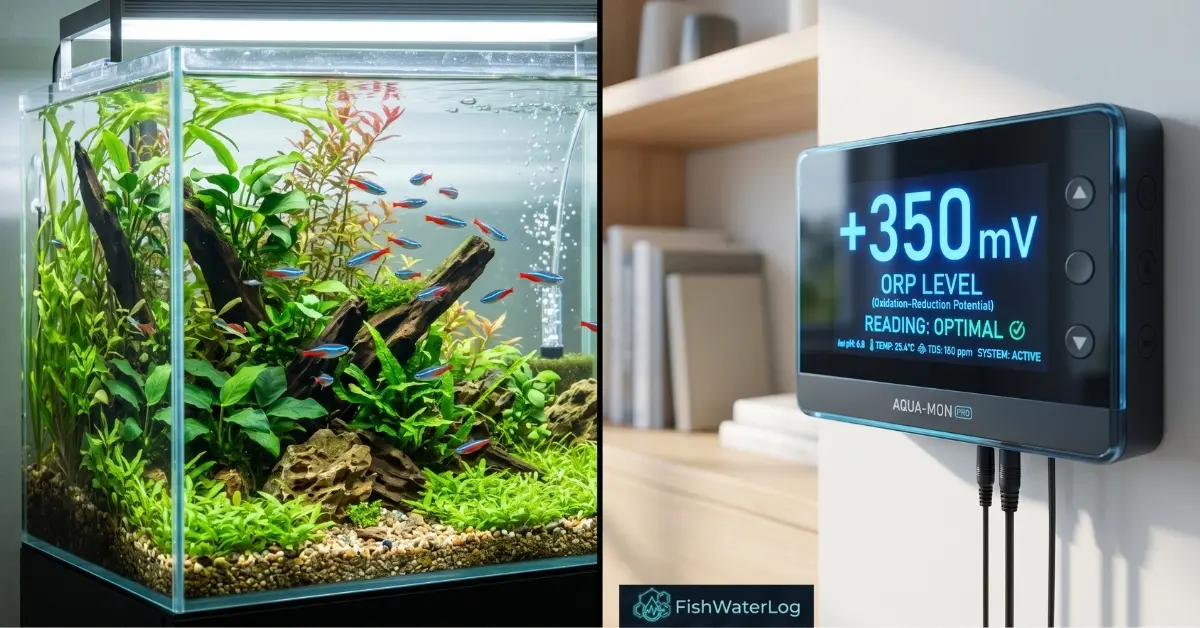
The analysis of aquatic environments has evolved significantly from sporadic chemical reagent testing to continuous, high-resolution electrochemical monitoring. Central to this technological paradigm shift is the aquarium redox potential, a fundamental metric that quantifies the thermodynamic tendency of a water column to either acquire or donate electrons. Measured in millivolts (mV), the oxidation reduction potential … Read more
The integration of automated hydro-mechanical systems into aquatic husbandry represents a critical evolution from manual maintenance to precise environmental control. Historically, the discourse surrounding advanced telemetry, environmental probes, and automated dosing has been overwhelmingly directed toward marine reef aquariums where salinity swings prove immediately fatal. Consequently, automated fluid management remains largely overlooked in non-marine ecosystems, … Read more
The successful cultivation of submerged vascular plants within the boundaries of a closed thermodynamic system—colloquially known as a planted aquarium—requires an uncompromising adherence to the physical and biochemical laws governing aquatic horticulture. Historically, the aquatic hobbyist community has operated on a foundation of anecdotal evidence, subjective visual assessments, and scientifically obsolete measurement frameworks. This reliance … Read more
Maintaining a thriving, closed-loop aquatic ecosystem is an exercise in applied biochemistry and fluid dynamics. For the professional aquarist and the dedicated hobbyist, the ultimate visual metric of a balanced system is the presence of undeniably clear aquarium water. Quick Setup: The Best Filter Media Configuration for Crystal-Clear Water If you want to eliminate cloudiness … Read more