
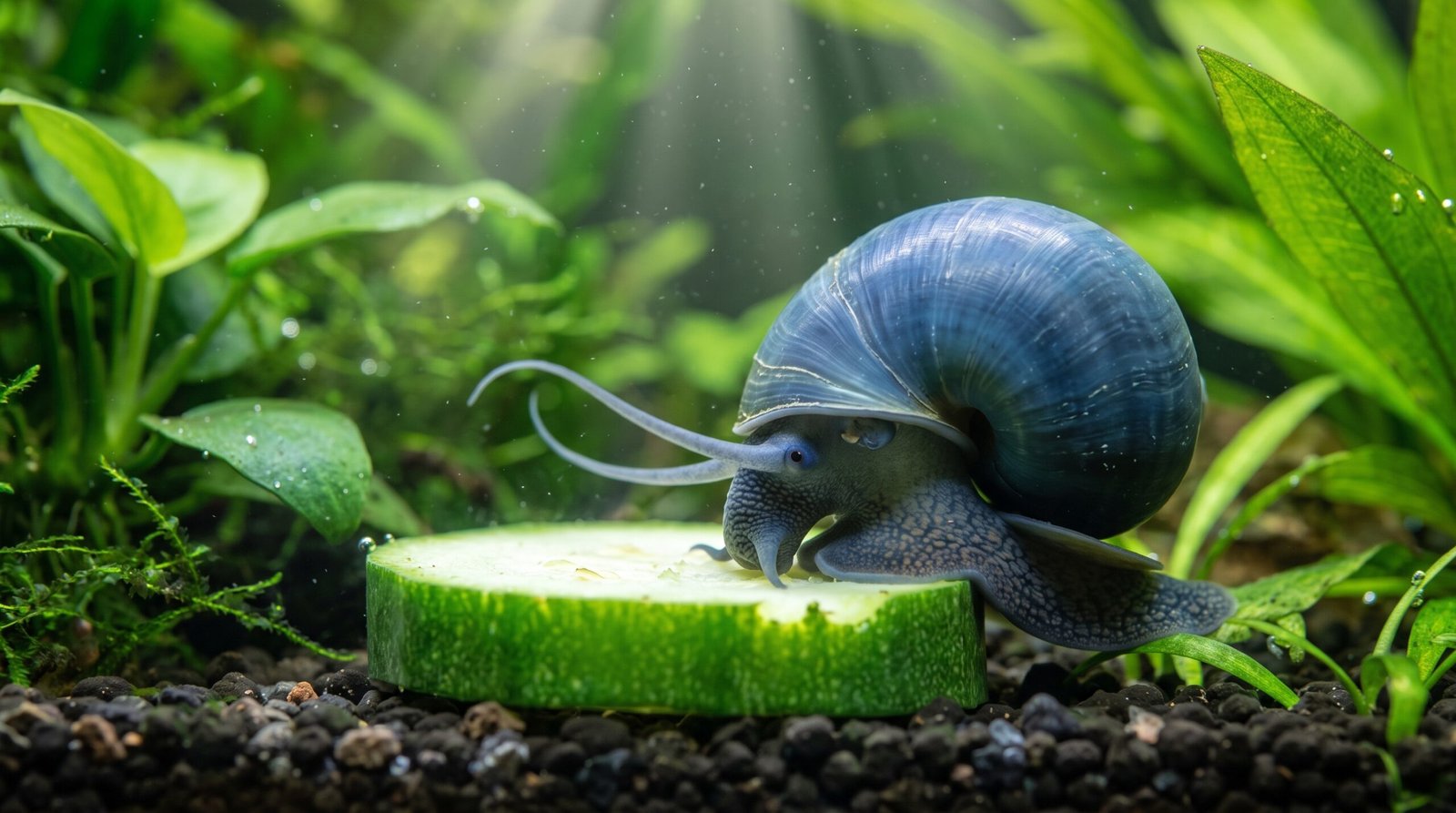
Prized for their striking selectively bred colors and active foraging habits, mystery snails (Pomacea diffusa) have established themselves as one of the most functional and engaging invertebrates in the planted aquarium hobby. Far from invasive pests, these peaceful gastropods serve as an indispensable biological cleanup crew, scouring substrate, glass, and hardscape for decaying plant matter, excess fish food, and surface biofilms. However, keeping them healthy requires far more than allowing them to survive on incidental tank debris.
This comprehensive mystery snail care guide breaks down the critical husbandry protocols necessary to ensure long-term vitality in an enclosed aquatic system. Achieving resilient mystery snail shell health depends directly on water chemistry—maintaining elevated carbonate hardness (KH) and a stable alkaline pH—paired with sufficient dietary calcium for mystery snails to prevent severe pitting and shell erosion. Whether you are dialing in essential mystery snail water parameters, formulating nutrient-rich supplemental diets, or selecting compatible mystery snail tank mates, mastering these baseline physiological requirements ensures your freshwater snails maintain vibrant, crack-free shells and active lifespans.
According to official monitoring records in the USGS nonindigenous aquatic species database, captive releases of Pomacea diffusa have established persistent non-native populations in drainage networks across Florida, Hawaii, and Puerto Rico.
Taxonomic Classification and Ecological Impact
Within the freshwater aquarium trade, mystery snails have historically suffered from widespread taxonomic confusion, leading to persistent myths regarding their dietary preferences, adult proportions, and compatibility in planted aquaria. For decades, retail fish stores sold captive specimens under the binomial nomenclature Pomacea bridgesii. However, modern malacological consensus and phylogenetic sequencing establish that the contemporary freshwater mystery snail kept in aquariums is almost exclusively Pomacea diffusa, ecologically referred to as the spike-topped apple snail.
Both species belong to the gastropod family Ampullariidae and originate throughout the expansive freshwater basins of the Amazon across Bolivia, Brazil, Paraguay, and Peru.
Morphological identification of the suture angles and shell spires is critical when referencing research on applesnails identification and taxonomy to distinguish harmless mystery snails from destructive agricultural pests.
Identifying the True Mystery Snail (Pomacea diffusa)
Differentiating between Pomacea diffusa and other apple snail variants relies on precise morphological analysis of shell architecture:
- Square-Shouldered Sutures: Pomacea diffusa possesses distinct, stepped whorls that meet the shell spire at an abrupt, nearly 90-degree angle.
- Sloping Spire Profile: The true Pomacea bridgesii displays shallower sutures with a gradually tapered, less-defined shoulder profile.
- Subdued Radular Structure: The rasping tongue (radula) of P. diffusa is physically smaller, with weaker, blunt denticles compared to larger macro-herbivorous gastropods.
| Species & Identity | Primary Radula Morphology | Plant Safety Status | Natural Ecological Feeding Role |
|---|---|---|---|
| Pomacea diffusa Mystery Snail (Spike-Topped Apple Snail) | Small, blunt dentition engineered strictly for soft surfaces; incapable of cutting tough cellulose cell walls. | ✓ 100% Plant-Safe Zero threat to healthy planted aquascapes. | Obligate detritivore: Scavenges decaying leaves, softening necrotic organic matter, biofilms, and benthic carrion. |
| Pomacea canaliculata Channeled Apple Snail Deeply grooved suture whorls | Coarse, heavily serrated abrasive teeth providing high shearing force against fibrous foliage. | ⚠️ Highly Destructive Rapidly shreds live aquatic plants. | Indiscriminate herbivore: Voraciously consumes living emergent and submerged aquatic macrophytes. |
| Pomacea maculata Titan Apple Snail Giant invasive ampullariid | Broad, hardened chitinous plates engineered for massive, rapid macrophyte defoliation. | ⛔ Catastrophic Risk Decimates planted setups in hours. | Aggressive agricultural pest: Shears wetland macrophyte beds, wetland flora, and rice/taro agricultural paddies. |
Are Mystery Snails Plant Safe?
The most critical takeaway of any comprehensive mystery snail care guide is recognizing the structural limitations of their feeding apparatus. Aquarists frequently hesitate to add these invertebrates to aquascapes, fearing they will systematically destroy prized aquatics. This fear stems from negative experiences with destructive relatives like the channeled apple snail (Pomacea canaliculata) and the titan apple snail (Pomacea maculata), which can decimate an entire planted display in hours.
In practice, a healthy freshwater mystery snail poses no danger to your aquarium garden because:
- Inability to Cut Tough Foliage: Unlike true herbivorous snails, P. diffusa lacks the mechanical jaw strength and sharp radular plates needed to penetrate the outer cellulose cuticle of healthy leaves.
- Selective Detrital Cleaning: They feed exclusively on decaying foliar waste, melting leaves, dead roots, and natural microbial biofilm. When a mystery snail appears to “eat” a live plant, it is almost always clearing tissue that has already died from systemic nutrient deficiencies.
- Prepared Feed Preference: Given standard calcium for mystery snails, blanched vegetables, sinking pellets, or homemade snello, they ignore live vegetation completely.
- Floating Plant Caveat: Extremely thin, delicate floaters—such as Lemna minor (common duckweed) and melting Salvinia roots—are occasionally consumed due to their fragile, non-fibrous structure.
Because Pomacea diffusa only feeds on decaying foliar tissue, they can be safely kept alongside hardy species like Anubias, provided you follow proper planting protocols to avoid rhizome rot so healthy stems do not melt.
Biosecurity and Responsible Husbandry Protocols
Due to their broad thermal tolerances, dual respiratory mechanisms, and rapid reproductive rates, Pomacea species have established persistent invasive populations outside their indigenous range. According to the USGS Nonindigenous Aquatic Species database, feral colonies of P. diffusa have colonized sensitive waterways across the Florida Everglades, Puerto Rican wetlands, and Hawaii’s Kawainui Marsh, primarily introduced through irresponsible domestic releases.
To protect vulnerable native ecosystems from non-indigenous mollusk competition, every keeper must enforce strict biosecurity measures:
- Zero-Release Containment: Never release captive mystery snails, offspring, or live aquarium water into municipal stormwater drains, drainage ditches, canals, or natural waterways.
- Humane Clutch Destruction: Mystery snails lay conspicuous pinkish, calcified egg clusters above the water line. If you do not plan to raise juvenile snails, scrape the clutch off the tank rim, freeze it for 48 hours to humanely terminate development, and dispose of it in solid household trash.
- Responsible Plant Rinsing: Ensure all biological trimmings and discarded floaters are thoroughly desiccated or bagged before disposal to prevent hitchhiking juveniles from entering domestic watershed outflows.
While mystery snails leave broadleaf vascular plants alone, introducing delicate floating plants for aquarium aeration offers an opportunistic, soft vegetative food source while supporting ambient surface oxygen.
Invertebrate Anatomy and Physiological Marvels
The morphological design and internal organ systems of the freshwater mystery snail (Pomacea diffusa) showcase remarkable evolutionary adaptations honed in the seasonally volatile Amazon basin. Surviving flood pulses, stagnant backwaters, and severe seasonal hypoxia requires specialized biological machinery that sets mystery snails apart from purely aquatic mollusks.
Dual Respiratory Dynamics
Parallel gill and lung architecture enabling survival across oxygen-rich and hypoxic habitats
Ctenidium (Aquatic Gill)
Primary Submerged PathwayUtilizes ciliated branchial filaments within the mantle cavity to harvest oxygen directly from moving water. Active whenever water parameters stay well-oxygenated (DO > 6.5\text{ mg/L}$).
Pulmonary Sac (Lung)
Atmospheric Siphon PathwayExtends a flexible, muscular snorkel tube to the surface while the body stays submerged and hidden from predators. Pumps ambient air directly into vascularized lung tissue.
The Siphon and Dual Respiratory System
The standout physiological adaptation of the mystery snail is its bimodal respiratory capacity. Equipped with both an aquatic gill (ctenidium) and an internal primitive lung (pulmonary sac), P. diffusa switches respiratory modes based on ambient oxygen availability:
- Submerged Gill Respiration: In clean, flow-agitated aquariums with high dissolved oxygen, the snail primarily uses its left-sided ctenidium to extract oxygen directly from the water column.
- Atmospheric Breathing via the Siphon: When water turns hypoxic—or during routine surface exploration—the snail extends a long, muscular siphon tube from the left side of its mantle up to the water’s surface. By rhythmically contracting its mantle cavity, it pumps atmospheric air directly into the vascularized lung.
- Predator Crypticity: The siphon stretches several times the snail’s body length. This lets the snail breathe ambient air while remaining fully submerged and protected from surface predators.
Operculum Defense and Moisture Retention
Attached to the posterior dorsal surface of the muscular foot is a tough, proteinaceous, keratinized disc known as the operculum (commonly called the trapdoor):
- Predator Shielding: When harassed by nipping fish or alarmed by sudden vibrations, the snail fully retracts its soft foot and mantle into the calcified shell, pulling the operculum shut to create a secure, physical seal.
- Desiccation Barrier: In their natural seasonal habitat—or if a snail accidentally escapes an uncovered tank—a tightly sealed operculum traps internal fluids and moisture. This physiological buffer allows the snail to survive in an estivation-like dormant state for several days out of water without fatal dehydration.
Sensory Appendages and Tissue Regeneration
Navigating a low-visibility benthic environment relies on sophisticated sensory structures and acute chemoreception:
- Cephalic and Labial Tentacles: The long, sweeping primary tentacles provide continuous tactile feedback and trace chemical gradients, allowing the snail to detect sinking organic feeds and biofilms across the aquarium. Shorter labial tentacles flank the mouth to manipulate food items before ingestion.
- Complex Cephalic Eyes: Located on distinct stalks at the base of each primary tentacle, these eyes detect light gradients, shadows, and rapid predatory movement.
- Extraordinary Eye Regeneration: If an eyestalk is nipped off by an aggressive tank mate, Pomacea diffusa activates specialized cellular pathways to completely regenerate a fully functional, neural-linked eye over several weeks.
The Physics and Chemistry of the Aquatic Environment
Unlike hardy fish that tolerate broader water hardness ranges, the health, growth rate, and shell density of Pomacea diffusa depend directly on precise, non-negotiable chemical parameters. In soft or acidic environments, calcium rapidly leaches from their shells, causing irreversible pitting, thinning, and fatal mantle collapse.
Optimal Mystery Snail Water Parameters
| Parameter Metric | Ideal Husbandry Range | Biochemical Significance & Shell Dynamics |
|---|---|---|
| pH Level | 7.5 – 8.4 | Prevents chemical proton attack that dissolves external calcium carbonate matrices. |
| General Hardness (GH) | 8 – 18 dGH (140 – 320 ppm) | Supplies high concentrations of divalent cations (Ca2+ and Mg2+) for active shell uptake. |
| Carbonate Hardness (KH) | 5 – 15 dKH (90 – 270 ppm) | Neutralizes acidic metabolic acids, preventing sudden pH crashes that degrade shells. |
| Water Temperature | 68°F – 82°F (20°C – 28°C) | Regulates metabolic pacing; higher temperatures accelerate feeding, breeding, and aging. |
| Total Ammonia Nitrogen (TAN) | 0.0 ppm (Toxic at any level) | Prevents gill inflammation and acute soft tissue chemical burns. |
| Nitrite (NO2–) | 0.0 ppm | Eliminates hemolymph oxygenation interference in invertebrate tissue. |
| Nitrate (NO3–) | < 20.0 ppm (Max 30 ppm) | Prevents chronic osmotic stress, lethargy, and appetite suppression. |
When replacing evaporated water, always top off with pure distilled or reverse osmosis water; topping off with tap water leads to progressive TDS creep in aquarium systems, which causes chronic osmotic stress and lethargy in sensitive mollusks.
Temperature Dynamics and Metabolic Pacing
Temperature serves as the primary metabolic throttle for mystery snails:
- Cool Water Range (68°F – 74°F / 20°C – 23°C): Metabolic activity slows down, shell calcification occurs evenly, and overall longevity extends up to 2.5 to 3 years.
- Warm Water Range (78°F – 84°F / 25.5°C – 29°C): Snails display constant movement, higher food consumption, and frequent mating behavior. However, the increased metabolic demand rapidly accelerates their lifecycle, often reducing total lifespan to roughly one year while requiring higher calcium intake to support rapid, fragile shell expansion.
Because large mystery snails produce a substantial bioload from continuous calcium and protein feeding, establishing robust aquarium nitrogen cycle biofiltrationis mandatory to prevent toxic spikes in total ammonia nitrogen (TAN).
The Molecular Biology of Shell Biomineralization
Most introductory aquarium guides oversimplify invertebrate husbandry by claiming snails merely need incidental calcium in their diet, completely ignoring the complex cellular and chemical cascades governing shell secretion and structural maintenance. The molluscan shell is not an inert, dead rock; it represents a dynamic extracellular composite continuously secreted by specialized mantle epithelial cells.
Understanding how a freshwater mystery snail concentrates minerals at the molecular level allows aquarists to diagnose developmental defects early and target nutritional deficiencies effectively.
Extrapallial Fluid (EPF) Biomineralization
Active cellular ion pumping, protein scaffolding, and crystalline nucleation in shell synthesis
Dietary & Aqueous Ca²⁺ Influx
Hemolymph TransportDissolved calcium absorbed trans-epithelially across mantle tissue and ingested through the gut enters open circulation, circulating free Ca²⁺ ions via hemolymph (snail blood).
PMCA Active Ion Pumps
Extrapallial Space (EPF)Plasma Membrane Calcium ATPases (PMCA) burn metabolic energy (ATP) to pump Ca²⁺ across mantle epithelial membranes into the extrapallial fluid, driving local mineral supersaturation.
Organic Conchiolin Scaffold & Carbonate Synthesis
Matrix AssemblyCarbonic anhydrase (CA) combines metabolic CO₂ into bicarbonate ($HCO₃⁻$), while the mantle secretes insoluble conchiolin proteins to create an architectural guide matrix.
Aragonite & Calcite Nucleation
Rigid Calcified ShellPrecipitated calcium carbonate crystallizes into dense calcite columns (prismatic layer) and laminated aragonite tablets (nacre), solidifying the durable protective shell.
In heavily planted setups lacking supplemental carbon dioxide, aggressive aquatic plants can strip bicarbonates directly from the water column, triggering biogenic decalcification and KH loss that accelerates shell pitting and structural thinning.
The Extrapallial Space and Active Ion Transport
True shell formation occurs within the extrapallial space—a narrow, fluid-filled biological compartment sealed between the outer mantle epithelium and the innermost crystalline layer of the shell. Within this chamber, the snail manufactures extrapallial fluid (EPF), concentrating dissolved ions until the solution reaches localized supersaturation, triggering controlled mineral precipitation:
- Active Calcium Pumping: Absorbing calcium through the gut and permeable mantle tissue elevates free calcium levels in the hemolymph (snail blood). Specialized, energy-demanding enzymes known as Plasma Membrane Calcium ATPases (PMCA) burn metabolic energy (ATP) to actively pump these ions across epithelial membranes directly into the extrapallial fluid.
- Enzymatic Carbonate Synthesis: The snail combines dissolved bicarbonate with metabolic carbon dioxide (CO2) via the zinc-dependent enzyme carbonic anhydrase. This enzymatic reaction drives the local synthesis of carbonate ions (CO3 2-).
- Organic Matrix Deposition: Concurrently, the mantle secretes an insoluble matrix of fibrous structural proteins (primarily conchiolin) and chitin. This proteinaceous framework acts as an organic template, controlling whether the precipitating calcium carbonate crystallizes into dense calcite or layered aragonite tablets.
Microscopic Anatomy of the Mystery Snail Shell
A mature shell consists of three biochemically distinct horizontal strata, each serving a unique structural and defensive role:
- The Periostracum (Outer Protein Barrier): The outermost, non-mineralized organic skin composed of quinone-tanned conchiolin proteins. This hydrophobic layer seals the internal mineral layers against external water contact, serving as the first line of defense against ambient acidity and microbial pitting.
- The Prismatic Layer (Middle Load-Bearing Core): Composed of vertically oriented, columnar crystals of calcium carbonate packed within thin protein envelopes. This thick middle strata provides high compressive strength and crush resistance against opportunistic predators.
- The Nacreous / Hypostracum Layer (Inner Smooth Lining): The innermost crystalline stratum laid down directly adjacent to the living mantle tissue. Formed from stacked, micro-laminated aragonite plates, this silky-smooth surface prevents abrasive friction against the snail’s delicate internal viscera while reinforcing longitudinal structural elasticity.
Diagnosing and Reversing Shell Corrosion
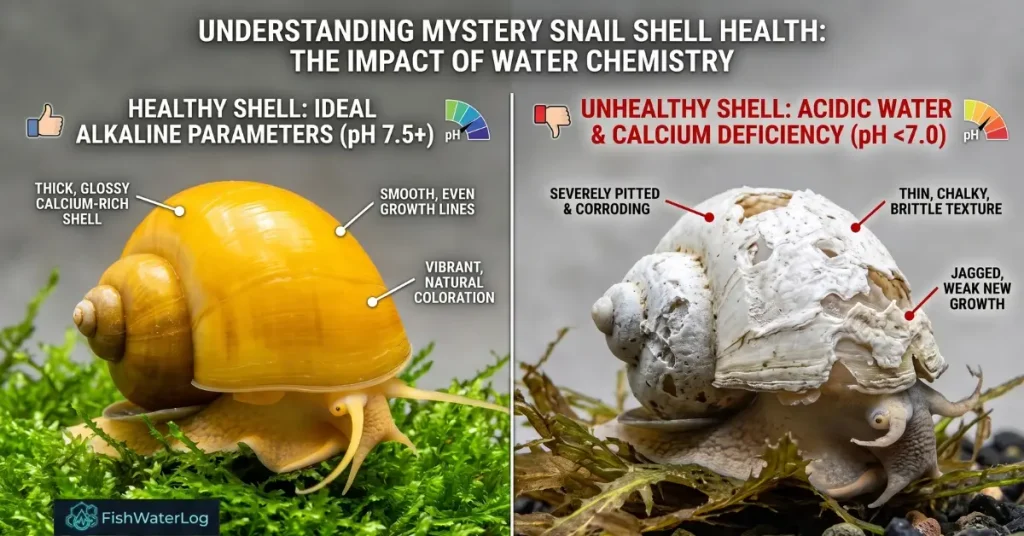
Because the shell is deposited in chronological growth rings radiating outward from the central apex (the protoconch), visual inspection reveals precisely when and why a physiological disruption took place. Distinguishing localized chemical etching from systemic dietary starvation is the cornerstone of advanced mystery snail shell health.
Shell Corrosion & Defect Pathology
Visual triage guide to diagnose chemical dissolution, dietary starvation, and environmental shock
Apex & Older Spire Pitting
Chemical DissolutionAmbient water leaches calcium carbonate directly from outer shell layers, while systemic hemolymph acidosis forces the snail to dissolve its internal nacre. Existing holes cannot regrow; stop progression by buffering with crushed coral or aragonite.
Jagged, Thin Leading Margin
Dietary DepletionThe mantle lacks mineral building blocks to construct dense crystalline layers at its growth speed, yielding brittle, translucent, clefted margins that crack easily. Immediately introduce homemade Snello, pure CaCO₃, and blanched greens.
Deep Clefts & Irregular Growth Lines
Physiological ShockDrastic temperature swings, severe transfer stress, or contact with harsh chemicals (e.g. copper, glutaraldehyde) abruptly halts mantle secretion. Once recovery occurs, a permanent indented fissure line remains visible across the shell whorl.
Identifying Specific Shell Pathologies
- Apex Thinning and Surface Whitening: If erosion, chalky white patches, or deep pinhole pitting appear exclusively on the older whorls and shell apex, the root cause is environmental acidity. When ambient pH drops below 7.2, hydrogen ions chemically attack the external calcium carbonate matrix, stripping away the periostracum and dissolving the exposed prismatic layer.
- Brittle, Thin Leading Growth Margins: When the newest, outermost rim of the shell is thin, translucent, jagged, or easily fractured, the snail is suffering from acute dietary deficiency. The mantle requires continuous bioavailable calcium for mystery snails to weave new crystalline layers. In the absence of nutrient-dense feeds, shell extension stalls or forms paper-thin margins that crumble under minimal pressure.
- Horizontal Clefts and Distorted Growth Rings: Distinct, deep horizontal fissures across the shell body record past systemic disruptions, such as sudden thermal drops, medication exposure, severe transportation stress, or drastic shifts in water hardness.
Corrective Veterinary Interventions
Repairing damaged shell matrices requires immediate stabilization of the chemical environment paired with intensive dietary rehabilitation:
- Environmental Acid Neutralization: Immediately boost carbonate hardness ($KH$) by adding crushed coral, aragonite substrate, or crushed oyster shells to your filtration media. Maintaining a stable aquarium pH between 7.6 and 8.4 halts active exterior dissolution instantly.
- Aqueous Mineral Enrichment: Dissolve pure calcium sulfate or food-grade calcium chloride to elevate general hardness ($GH$) above 10 dGH, ensuring the water column holds ample free divalent cations for trans-epithelial absorption.
- Nutritional Calcium Saturation: Offer high-calcium sinking rations, blanched mineral-rich dark greens (such as collard greens, kale, and zucchini), and specialized homemade snello enriched with human-grade calcium carbonate powder lacking vitamin D3.
- Direct Shell Sealing (Severe Fractures): If acidic pitting or physical trauma exposes the soft, pulsing mantle tissue underneath, patch the exposed breach using a clean piece of boiled eggshell or a sanitized piece of donor snail shell, secured over the void with a tiny drop of pure ethyl cyanoacrylate gel (aquarium-safe super glue), taking care never to let adhesive contact the living mantle tissue.
Dietary Requirements and Nutritional Biochemistry
Restricting the diet of a freshwater mystery snail to leftover commercial flakes and incidental tank algae inevitably results in stunted somatic growth, reproductive failure, and thin, brittle shell architecture. Although Pomacea diffusa is celebrated as an efficient detritus scavenger, sustaining long-term vitality requires a structured, omnivorous feeding regimen dense in bioavailable minerals, plant sterols, and bio-assimilable protein.
Mystery Snail Nutritional Matrix
Core dietary pillars required for sustained biomineralization, mantle integrity, and metabolic vitality
Dietary Calcium Vectors
Shell MineralizationDirectly fuels Plasma Membrane Calcium ATPases (PMCA) for rapid deposition of the prismatic and aragonite shell layers.
Fresh Vegetable Base
Digestive Fiber & EnergyProvides non-acidic fiber, essential carotenoids, and gut motility roughage that softens cell wall breakdown for blunt radular teeth.
Invertebrate Proteins
Muscular & Conchiolin SynthesisEssential for synthesis of insoluble conchiolin scaffolds in the periostracum and continuous tissue repair of the large muscular foot.
Trace Mineral Cofactors
Enzymatic ActivationCatalyzes carbonic anhydrase enzymatic activity and stabilizes cellular osmotic balance across mantle and ctenidium tissues.
Essential Plant Nutrients and the Blanching Protocol
Fresh vegetables form the core of daily supplemental feeding, providing roughage, potassium, and complex carbohydrates. However, raw vegetables possess rigid fibrous cell walls that easily deflect the blunt radular teeth of a mystery snail.
- The Blanching Procedure: Vegetables such as zucchini rounds, dark kale, cucumber, deshelled peas, and green beans must be blanched—boiled in clean water for 2 to 4 minutes until thoroughly softened, then plunged into cold water. This thermal breakdown softens tough cellulose structures, allowing the snail’s delicate rasping apparatus to harvest nutrients efficiently.
- The Oxalic Acid Paradox (Spinach Caution): While raw spinach contains high gross calcium concentrations, it is also heavily loaded with oxalic acid (oxalates). In the snail’s gastrointestinal tract, free oxalates chelate with dietary calcium ions, forming insoluble calcium oxalate crystals that bypass absorption entirely and starve the mantle of shell-building elements. Boiling and blanching leaches out water-soluble oxalates, rendering spinach far safer and significantly more bioavailable.
- Protein and Invertebrate Feeds: To support mantle tissue integrity, cellular regeneration, and the fibrous conchiolin protein matrix of the shell, feed sinking invertebrate pellets, spirulina disks, bottom-feeder tablets, and frozen bloodworms 2 to 3 times weekly.
- Organic Waste Mitigation: Unconsumed fresh vegetables or prepared pellets must be removed via siphon within 12 to 24 hours to prevent heterotrophic bacterial blooms and sudden spikes in total ammonia nitrogen ($TAN$).
The Snello Formulation Guide: Advanced Snail Nutrition
For aquarists aiming to optimize mystery snail shell health, crafting homemade “Snello” (a nutrient-dense gelatin matrix) represents the gold standard in invertebrate feeding. Standard commercial fish foods disperse and dissolve rapidly into the water column, whereas Snello binds insoluble calcium for mystery snails into a cohesive, sinking cube that will not foul aquarium water.
Homemade Snello Gel Matrix
Layered biochemical recipe for dense shell biomineralization and vitality
Pureed Organic Vegetable Base
100gGreen beans, sweet potato, carrots, or squash (pure, non-acidic fiber & vitamins)
Pharmaceutical Calcium Carbonate (CaCO3)
2–3 tbspPure human-grade powder without D3, or micro-milled baked chicken eggshell flour
Crushed Invertebrate Pellets / Spirulina
1 tbspHigh-protein krill/kelp meal rich in trace iodine for metabolic uptake & rich color
Unflavored Gelatin / Pure Agar-Agar
1 Packet (~7g)Dissolved in 1/4 cup boiling water to bind the recipe into a clean, water-stable sinking cube
Critical Biochemical Components of Snello
| Ingredient Class | Functional Role in Gastropod Physiology | Recommended Ingredients & Formulation Ratios |
|---|---|---|
1
The Structural Binder
Matrix Stability | Solidifies the slurry into a water-stable gel cube that resists immediate dissolution and prevents bacterial clouding in the water column. | Unflavored, unsweetened food-grade gelatin powder Alternative: Pure vegetable agar-agar powder for a plant-based matrix. |
2
The Vegetable Base
Digestive Fiber & Energy | Delivers bulk plant polysaccharides, dietary fiber, beta-carotene, and essential micronutrients needed for gut motility and cellular health. | Pureed green beans, organic sweet potato, steamed carrots, or squash Baby foods must be 100% pure organic without sodium, preservatives, or added citric acid. |
3
The Calcium Vector
Shell Biomineralization | Provides concentrated concentrations of raw bioavailable carbonate and calcium ions required for mantle-driven shell biomineralization and repair. | Pure human-grade Calcium Carbonate (CaCO3) powder Must be without Vitamin D3. Alternative: Boiled, baked, and micro-milled chicken eggshell flour. |
4
Protein & Trace Minerals
Muscle & Operculum | Accelerates foot muscle maintenance, supports operculum regeneration, and supplies trace iodine to stimulate metabolic calcium processing. | Crushed krill meal, spirulina powder, kelp meal, or chlorella Can also incorporate crushed invertebrate pellets or rehydrated freeze-dried bloodworms. |
Step-by-Step Preparation and Storage
- Heat the Base: Gently warm approximately 100 grams of organic pureed baby food or smooth vegetable blend in a heat-safe bowl until warm to the touch (do not boil).
- Incorporate Dry Bio-Minerals: Thoroughly whisk in 2 to 3 tablespoons of pure calcium carbonate powder, 1 tablespoon of crushed protein meal, and 1 teaspoon of pure spirulina or kelp powder until a uniform paste forms. Marine kelp delivers essential trace iodine, which stimulates metabolic calcium processing and intensifies shell pigmentation.
- Hydrate the Binder: In a separate container, dissolve one packet of unflavored gelatin in 1/4 cup of boiling dechlorinated water. Pour the dissolved liquid gelatin directly into the warm vegetable-mineral slurry and mix rapidly before it sets.
- Mold and Chill: Pour the warm blend into silicone ice cube trays or a flat glass baking dish lined with parchment paper. Chill in a refrigerator for 2 hours until fully set.
- Portion and Freeze: Cut the solid sheet into neat 1/2-inch cubes. Store the ready-to-feed portions in an airtight freezer container. Drop one frozen cube directly into the aquarium once or twice a week; it sinks immediately to the substrate, providing an undisturbed mineral feast for all grazing freshwater mollusks.
Community Dynamics and Ideal Tank Mates
Maintaining long-term harmony in a community aquarium requires matching organisms that share overlapping chemical parameters and peaceful temperaments. Although the freshwater mystery snail (Pomacea diffusa) possesses a protective operculum, its slow locomotion and long, undulating cephalic tentacles leave it exceptionally vulnerable to opportunistic aggression.
| Compatibility Tier | Recommended / Identified Species | Behavioral Dynamics & Risk Level |
|---|---|---|
1
Symbiotic & Perfect
Zero Threat | Dwarf Shrimp & Peaceful Benthics Neocaridina (Cherry Shrimp), Amano Shrimp, Corydoras Catfish, Otocinclus | Ideal cohabitation. Shrimp graze harmlessly on biofilm adhering to the snail’s shell, while peaceful benthic fish share the substrate without harassing sensitive tentacles. |
2
Peaceful Schoolers
Safe Community | Mid-Water Schooling Fish & Livebearers Small Tetras (Neon, Ember), Rasboras, Guppies, Platies, Honey Gouramis, Calm Bettas | Inhabit middle and upper water columns. They show virtually no interest in foraging mollusks and will not nip at passing antennae or siphon tubes. |
3
High Risk (Nippers)
Tentacle Damage | Persistent Fin-Nippers & Semi-Aggressives Tiger Barbs, Serpae Tetras, Skunk Loaches, Aggressive Betta splendens | Mistake long, flowing cephalic tentacles for edible worms. Relentless nipping forces prolonged shell closure, inducing severe chronic stress and eventual starvation. |
4
Lethal Predators
Fatal Encounter | Mollusk Feeders & Heavy Crustaceans Pufferfish (Pea Puffers), Assassin Snails, Crayfish, Large Cichlids, Clown / Yoyo Loaches | Strictly incompatible. These species actively hunt mollusks by crushing shells, prying open the operculum, or injecting paralytic secretions to consume soft visceral mass. |
Just as correct mineral hardness is essential to prevent shell erosion in gastropods, maintaining a balanced GH/KH ratio also works to stop failed molting in Neocaridina shrimp when housing both species in the same community setup.
Ideal Invertebrate and Fish Companions
The best tank mates for mystery snails are docile, non-predatory species that thrive within the same alkaline, mineral-dense water column:
- Freshwater Dwarf Shrimp: Neocaridina davidi (Cherry shrimp) and Caridina multidentata (Amano shrimp) are ideal companions. They share identical demands for high general hardness (GH) and dietary calcium for mystery snails. Furthermore, dwarf shrimp regularly groom the snail’s shell, foraging on microscopic algae and biofilm while leaving the underlying periostracum unharmed.
- Peaceful Benthic Feeders: Corydoras catfish, Kuhli loaches, and Otocinclus graze along the substrate without harassing the snail’s sensory appendages or contesting resting territory.
- Mid-Water Schooling Species: Calm nano schooling fish—including Neon Tetras, Ember Tetras, Harlequin Rasboras, and common livebearers (Guppies, Platies, Mollies)—completely ignore grazing gastropods.
Species to Avoid: Nippers and Snail Predators
Incompatible tank mates disrupt feeding behavior or inflict severe trauma:
- Persistent Fin Nippers: Species such as Tiger Barbs, Serpae Tetras, and overly territorial Betta fish frequently mistake sweeping cephalic tentacles for edible aquatic worms. Relentless nipping forces the snail into prolonged defensive shell retraction, leading to sensory deprivation, acute stress, and eventual starvation.
- Obligate Mollusk Predators: Pufferfish (such as Pea Puffers), Clown Loaches, Yoyo Loaches, and Assassin Snails (Clea helena) will puncture, crush, or bore through shells to consume the soft tissue underneath.
- Destructive Crustaceans: Freshwater crayfish (Procambarus spp.) and large macrobrachium prawns use sharp chelae to pry open the operculum, causing catastrophic physical wounds.
Reproductive Biology and Population Management
Unlike prolific hermaphroditic pests (such as bladder snails or mini ramshorns) that self-fertilize exponentially from a solitary introduction, Pomacea diffusa is strictly gonochoristic. Each specimen possesses a distinct male or female biological sex, meaning successful reproduction requires both a viable male and female.
However, female mystery snails can store viable spermatozoa internally for up to 140 days following a single mating event. Consequently, an apparently isolated female introduced from a retail display tank can still deposit fertile egg clutches months later.
| Developmental Stage | Timeframe & Environment | Embryonic Process & Management |
|---|---|---|
1
Terrestrial Oviposition | Above Waterline 2–4 inches above surface (Nighttime) | Females ascend aquarium glass to deposit clusters away from aquatic predators. Requires tight-fitting lids to prevent accidental falls and desiccation. |
2
Calcified Pink Cocoon | 24–48 Hours Air absorption & setting phase | Soft, gelatinous pink matrix absorbs atmospheric air and hardens into a rigid honeycomb structure. Ideal window to easily peel and discard if population control is desired. |
3
Warm, Humid Incubation | 14–28 Days 75°F–81°F (80%–90% Humidity) | Embryos consume eggshell calcium, turning the clutch pale grayish-brown. The cluster must remain humid without being submerged, as direct submersion drowns the clutch. |
4
Hatching & Emergence | 50–200 Snaillets Immediate benthic drop | Miniature, fully shelled juveniles rupture outer shells and plunge into the water below, grazing immediately on detritus, biofilm, and available calcium reserves. |
Terrestrial Oviposition Mechanics
To shield offspring from benthic predators and hypoxic water, mystery snails reproduce via terrestrial oviposition:
- Above-Water Deposition: Females will not lay eggs submerged underwater. Typically ascending under cover of darkness, the female climbs several inches above the water surface to deposit a sticky, bright pinkish-orange clutch containing 50 to 200 eggs.
- Moisture and Canopy Requirements: To safely accommodate mystery snail breeding, keep at least 2 to 3 inches (5 to 8 cm) of open air space between the water line and the aquarium cover.
- Escape Prevention: A tightly fitted glass canopy or mesh lid is mandatory. A gravid female searching for an oviposition site can easily climb out of an open-top aquarium, fall to the floor, and suffer fatal shell fractures or rapid desiccation.
Hatching Timeline and Incubation
- Incubation Parameters: Clutches require high ambient humidity (80–90%) and stable temperatures between 24°C and 27°C (75°F–81°F) to develop properly. Direct submersion in water drowns developing embryos.
- Emergence: Over 2 to 4 weeks, the clutch gradually fades from bright pink to a muted, chalky grayish-brown as the embryos absorb calcium from the outer eggshell. Upon hatching, fully formed juvenile snails rupture the weakened casing and drop into the water column below, immediately hunting for micro-algae and calcium-rich biofilm.
Humane Population Control Protocols
Preventing an unintentional population explosion in a home aquarium is straightforward compared to dealing with invasive pest snails:
- Visual Clutch Monitoring: Because clutches are large, bright pink, and placed strictly above the waterline, they are impossible to overlook during weekly maintenance.
- Hardening Period: Allow a freshly laid clutch 24 to 48 hours to dry and harden into a brittle matrix.
- Humane Termination: Gently peel or scrape the rigid cluster off the glass using a plastic card or razor blade. Place the clutch into a sealed freezer bag and freeze it for 48 hours to humanely arrest embryonic development before discarding it in domestic solid waste. Alternatively, crush the dried clutch and reintroduce it into the tank water as an organic calcium mineral supplement for the parent snails.
Common Sensitivities and Chemical Hazards
Even when an aquarist maintains stable mystery snail water parameters and delivers a mineral-dense diet, catastrophic invertebrate mortality can occur if toxic chemical agents enter the aquarium. Unlike teleost fish, freshwater gastropods possess highly permeable body walls and an open circulatory system, making them acutely sensitive to synthetic additives, common medications, and heavy metals.
| Hazard Agent | Primary Target Site | Physiological Impact |
|---|---|---|
| Elemental Copper (CuSO4 / Chelate) | Hemocyanin (Blood Pigment) & Mantle Epithelium | Respiratory arrest and systemic suffocation due to ion transport blockade. |
| Glutaraldehyde (“Liquid Carbon” / Algaecides) | Gills (Ctenidia) & Mucous Membranes | Severe cellular cross-linking necrosis and lethal respiratory narcosis. |
| Organophosphates (Dewormers / Parasitic Dips) | Neuromuscular Synapses & Ganglionic Cords | Irreversible muscular paralysis, flaccidity, and failure of the operculum reflex. |
Elemental Copper Toxicity and Medications
The most dangerous systemic poison for a freshwater mystery snail is copper in any chemical form:
- Hemocyanin Disruption: Snail hemolymph relies on copper-based hemocyanin to bind and transport oxygen through cellular tissues. Free copper ions (Cu2+) present in the water column alter enzyme conformations, destroy cellular membrane potential, and induce systemic suffocation.
- Commercial Treatments to Avoid: Never dose treatments containing copper sulfate, chelated copper, or malachite green into a tank housing snails. Many common Ich treatments, velvet remedies, and snail-eradication chemicals will kill mystery snails within hours. Always isolate sick fish in a bare hospital tank before administering pharmacological remedies.
- Fertilizer Precautions: Verify that all micro-nutrient and trace fertilizers formulated for planted tanks contain only trace, chelated copper levels safe for aquatic invertebrates.
Glutaraldehyde and “Liquid Carbon” Biocides
Commercial products labeled as “liquid carbon” or chemical algaecides contain active glutaraldehyde or similar dialdehyde compounds:
- Mucosal Burn and Cellular Damage: Glutaraldehyde functions as a non-specific cross-linking biocide. Even at standard manufacturer doses, it degrades the delicate ciliated cells of the snail’s gill (ctenidium) and chemically burns external mantle tissue.
- Symptoms of Exposure: Prolonged exposure induces chronic lethargy, partial muscular paralysis, and a complete refusal to extend from the shell, eventually culminating in death.
Diagnosing Sleep vs. Mortality: The Sensory Check
Mystery snails frequently engage in extended periods of inactivity, remaining sealed in their shells or floating motionless at the surface for 24 to 48 hours:
- Intentional Floating: Snails intentionally trap atmospheric air in their pulmonary sac to become buoyant, catching surface flow to migrate across the tank or simply rest. Floating does not indicate mortality.
- The Scent Verification: When a mystery snail dies, its proteinaceous soft body decomposes rapidly, releasing volatile organic sulfides. Removing the snail and performing a gentle sniff test is definitive: a deceased specimen produces a pungent, unmistakable stench of rotten seafood.
- Operculum Tension: In a living snail, applying gentle finger pressure to the trapdoor meets firm muscular resistance. If the foot hangs flaccidly out of the shell with zero retraction reflex, the animal has perished and must be removed immediately to prevent an acute ammonia spike.
Conclusion: Proactive Husbandry for Long-Term Snail Health
Sustaining a vibrant, active colony of freshwater mystery snails requires transitioning from basic survival tactics to intentional, parameter-driven care. Beyond their functional utility as dedicated tank scavengers, Pomacea diffusa serves as a living biological indicator of water quality, calcium saturation, and ecosystem equilibrium.
By maintaining an alkaline pH, preserving high carbonate hardness, fortifying daily rations with calcium-dense Snello, and protecting them from copper-based chemicals, you eliminate the underlying triggers of shell corrosion and metabolic fatigue. Applying the protocols outlined in this mystery snail care guide ensures your snails maintain dense, unblemished shells and active foraging behaviors for years to come.
Frequently Asked Questions (FAQ)
Why is my mystery snail’s shell turning white and pitting?
White, chalky pitting and thinning along the older spire indicate acidic water dissolution. When pH drops below 7.0 and carbonate hardness (KH) is insufficient, ambient water leaches calcium carbonate directly from the outer shell layers. Internally, the snail enters hemolymph acidosis and dissolves its own inner shell matrix to neutralize blood pH. To halt corrosion, buffer the water column with crushed coral or aragonite media, and supplement their diet with high-calcium sinking feeds.
Can I feed powdered chicken eggshells as a calcium supplement?
Clean chicken eggshells consist of roughly 95% calcium carbonate, making them an effective, inexpensive supplement. However, raw eggshells must first be boiled for 10 minutes to eliminate Salmonella bacteria, baked until brittle, and pulverized into an ultra-fine, flour-like powder. This micronized powder can be stirred directly into homemade Snello or lightly dusted over blanched vegetables.
Do mystery snails require an air pump or bubbler?
While their dual respiratory system allows them to breathe atmospheric air using an extendable siphon, maintaining high dissolved oxygen levels (greater than 6.5 mg/L) reduces physical stress. A reliable air pump driving a sponge filter provides passive water movement, stabilizes gas exchange, and ensures the snail can rely on its ctenidium without burning excess energy trekking to the water surface.
How do I stop mystery snails from laying unwanted eggs?
Because mystery snails only deposit egg clutches above the waterline, managing reproduction is straightforward. You can deter oviposition by filling the aquarium closer to the top rim (leaving less than 1 inch of exposed glass). If a pink clutch is deposited, simply wait 24 to 48 hours for the shell to harden, scrape it off the glass, freeze it for 48 hours to humanely terminate embryonic development, and discard it safely.

1 thought on “Mystery Snail Care Guide: Shell Health, Diet & Mates (2026)”