Hafiz Nauman Baig is a doctoral researcher in Zoology (Fisheries & Aquaculture) at Quaid-i-Azam University, Islamabad, specializing in aquatic ecosystem chemistry and telemetry. Contact: nbaig.32411003@zoo.qau.edu.pk.
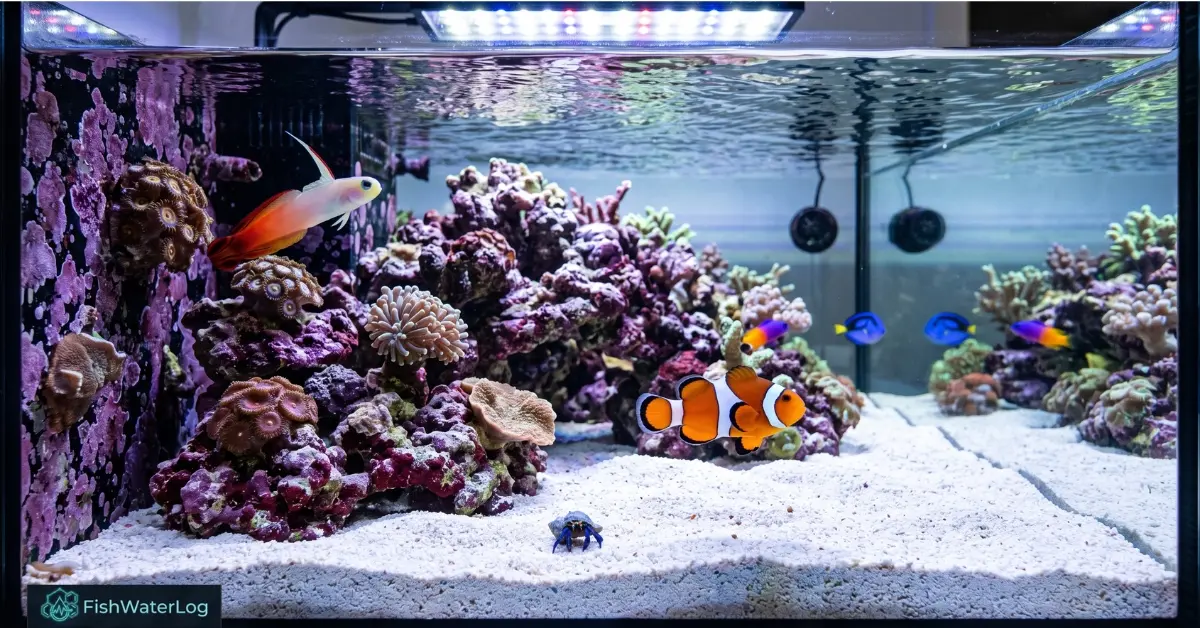
The transition from freshwater aquaria to marine ecosystems represents a monumental leap in biological complexity, chemical stability requirements, and advanced husbandry protocols. The marine environment is fundamentally unforgiving of the parameter fluctuations that freshwater teleosts routinely survive. For entry-level hobbyists, curating the best saltwater aquarium fish for beginners requires moving beyond superficial aesthetics to evaluate … Read more
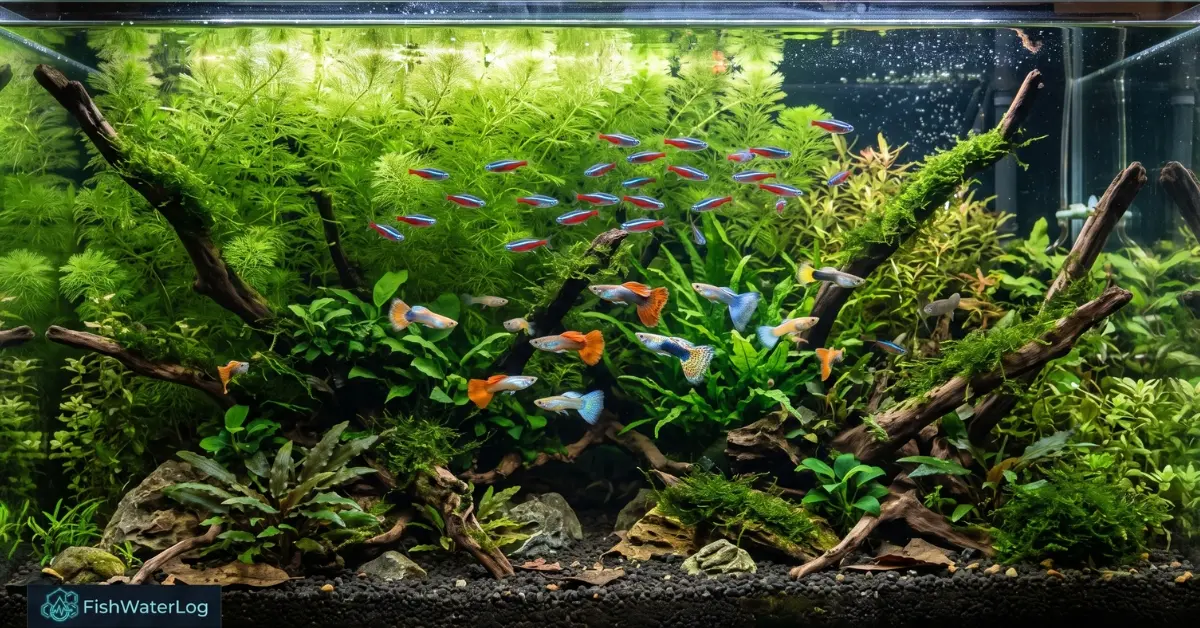
Setting up a stable closed aquatic habitat requires moving beyond superficial aesthetic choices to evaluate true teleost biology. When curating an aquarium for the first time, identifying the best tropical fish for beginners hinges on measurable physiological resilience, peaceful community temperaments, and the inherent capacity to withstand acute hydrochemical fluctuations. During the initial biological maturation … Read more
The biological equilibrium of a freshwater planted aquarium relies on the continuous flux and assimilation of dissolved inorganic carbon. Autotrophic macrophytes depend on carbon dioxide (CO2) and bicarbonate ions (HCO3-) to fuel photosynthesis. However, the molecular diffusion of carbon dioxide in water is nearly ten thousand times slower than in the atmosphere, creating a severe … Read more
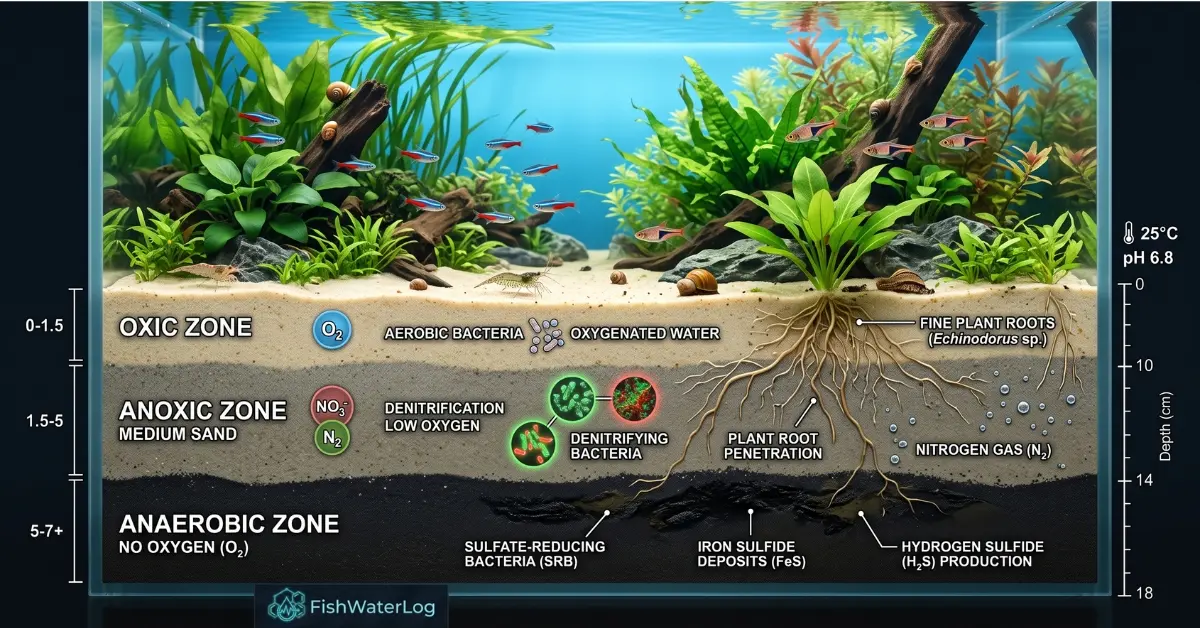
Life within a closed aquatic ecosystem is governed by a continuous biogeochemical balancing act, where the benthic substrate operates not as an inert gravel bed, but as a living thermodynamic engine. While long considered the exclusive domain of marine reef tanks, mastering freshwater deep sand bed denitrification provides the ultimate biological mechanism to permanently reduce … Read more
The precise management of radiant energy in closed aquatic ecosystems dictates the biological survival and coloration of flora and fauna. Historically, hobbyists relied on visually weighted metrics like lumens or basic wattage to estimate intensity. However, lumens peak at 555 nm—aligned with human visual sensitivity rather than plant photochemistry. Modern horticulture requires an empirical approach … Read more
In the highly constrained environment of a closed aquatic ecosystem, strict thermal stability dictates the survival of all biological organisms. Unlike the open ocean, which possesses massive thermal inertia, a home aquarium is highly vulnerable to rapid temperature fluctuations and hardware-induced energy spikes. As a heating element drives the water temperature upward, the water’s capacity … Read more
For decades, aquarium hobbyists have endured the disruptive gurgling, slurping noises, and microbubble storms typical of conventional single-pipe drain systems. While marine reef keepers quickly embraced silent gravity drains, freshwater aquarists have often navigated conflicting advice that overlooks freshwater interfacial dynamics, higher surface tension, and planted tank CO2 retention. Deploying a beananimal overflow freshwater sump … Read more
The deliberate integration of botanical tannins in freshwater aquarium environments represents a sophisticated intersection of aquatic biochemistry, microbial ecology, and zoological physiology. Historically, the hobby viewed water tinting as a mere cosmetic byproduct of decorative driftwood. However, contemporary limnology reveals that mastering protocols like extracting humic and fulvic acids for aquariums fundamentally alters the structural … Read more
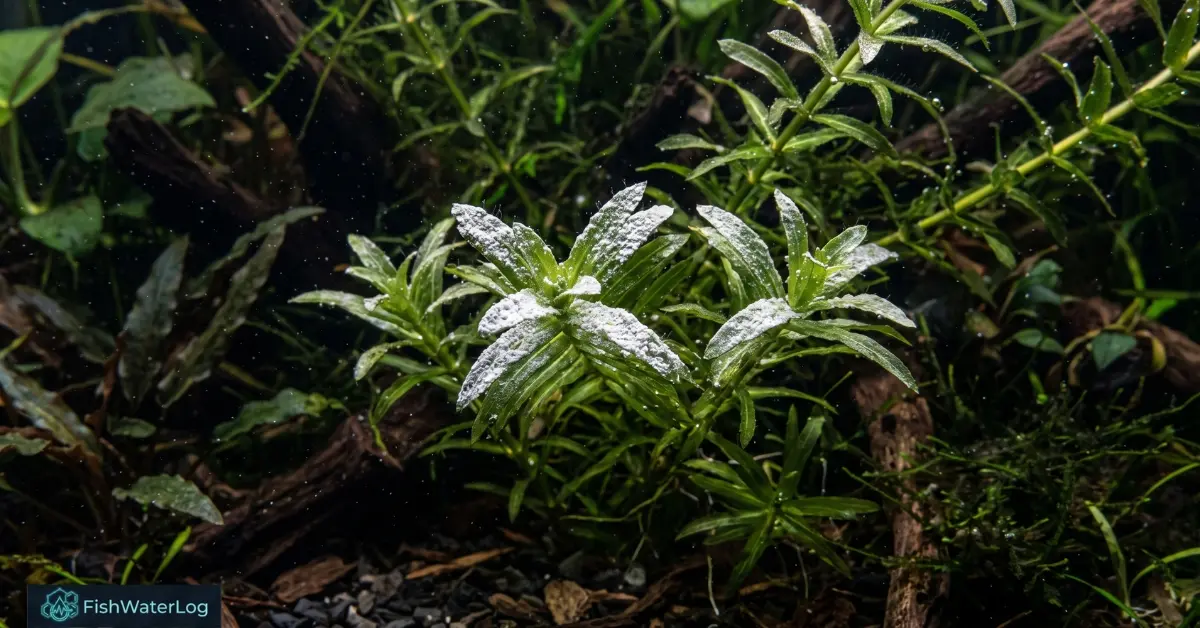
The cultivation of high-technology freshwater planted aquariums has evolved significantly from rudimentary substrate fertilization into a highly sophisticated discipline resembling chemical engineering. In systems characterized by high-intensity photosynthetically active radiation (PAR) and pressurized carbon dioxide injection, aquatic flora metabolize macronutrients and micronutrients at an exponential rate. In high-growth systems with pressurized dissolved carbon, balancing nutrient … Read more
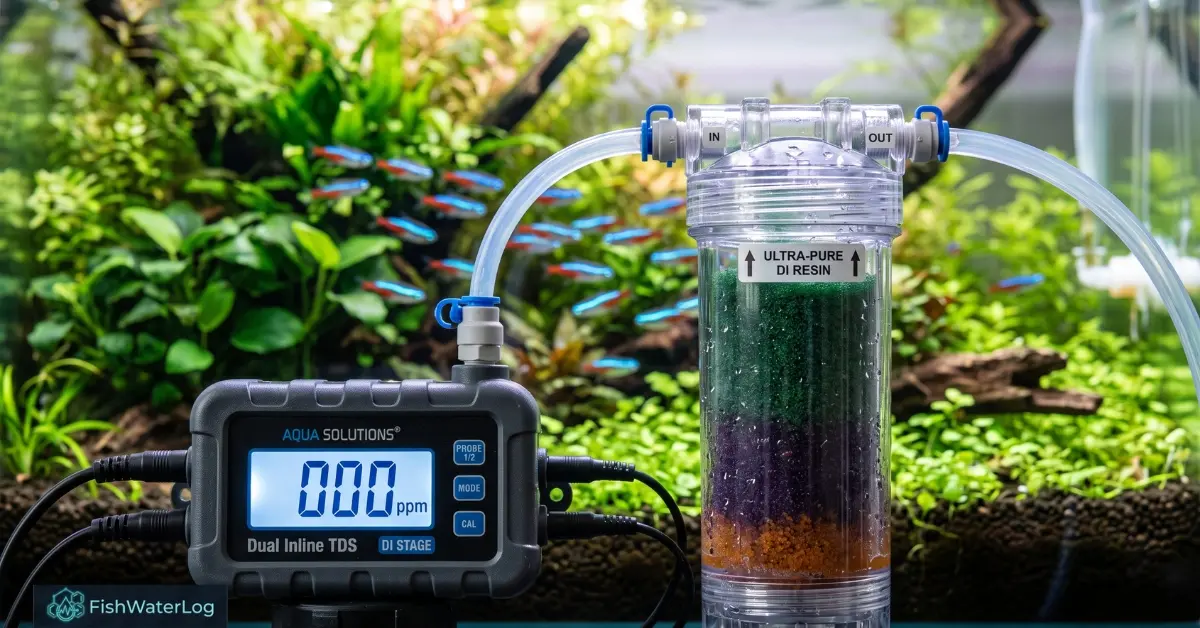
In the discipline of advanced aquatic husbandry—ranging from heavily planted high-tech freshwater biotopes to highly sensitive Caridina shrimp breeding facilities—the foundational requirement for long-term ecological success is absolute, uncompromising control over water chemistry. Municipal tap water contains an unpredictable matrix of heavy metals, chloramines, silicates, and carbonates. To recreate pristine natural environments, aquarists rely on … Read more